AI use summary
AI use summary
Back to Meeting 1 activity
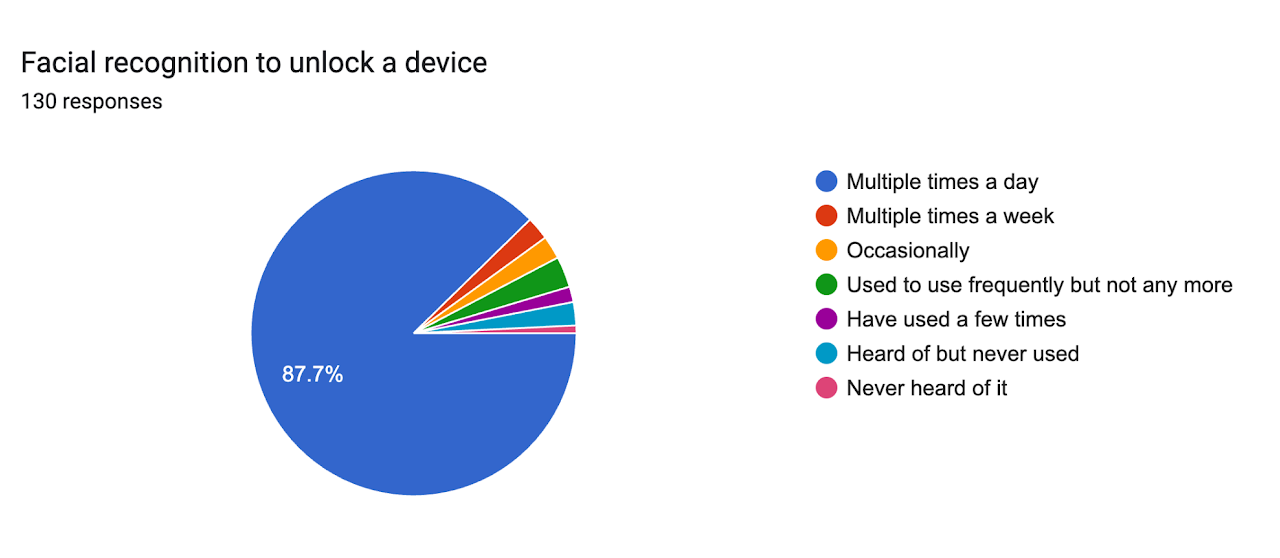
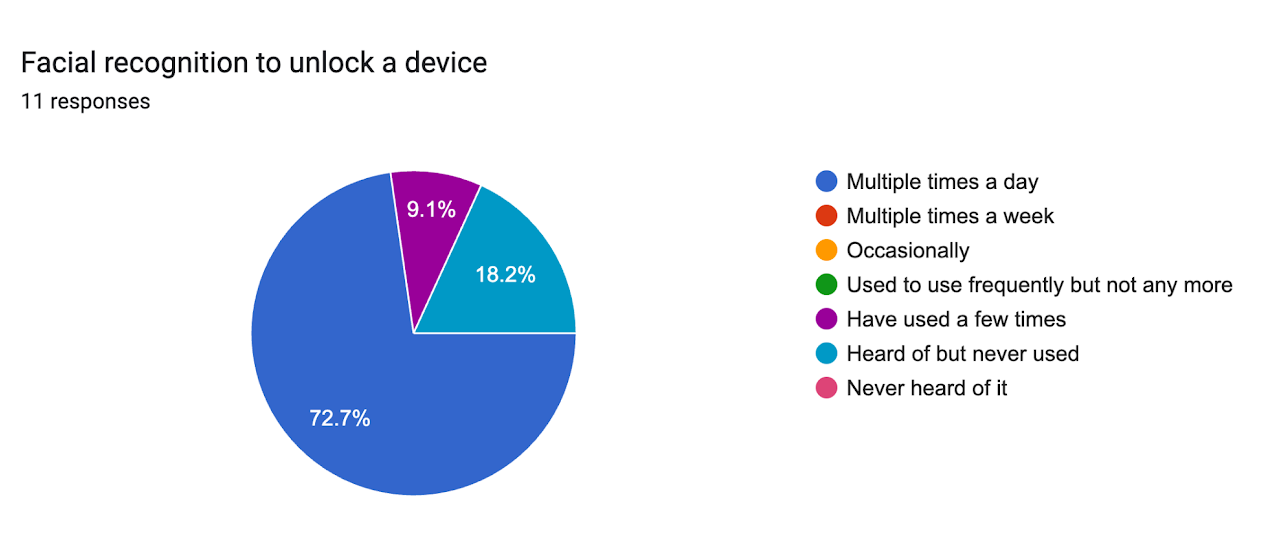
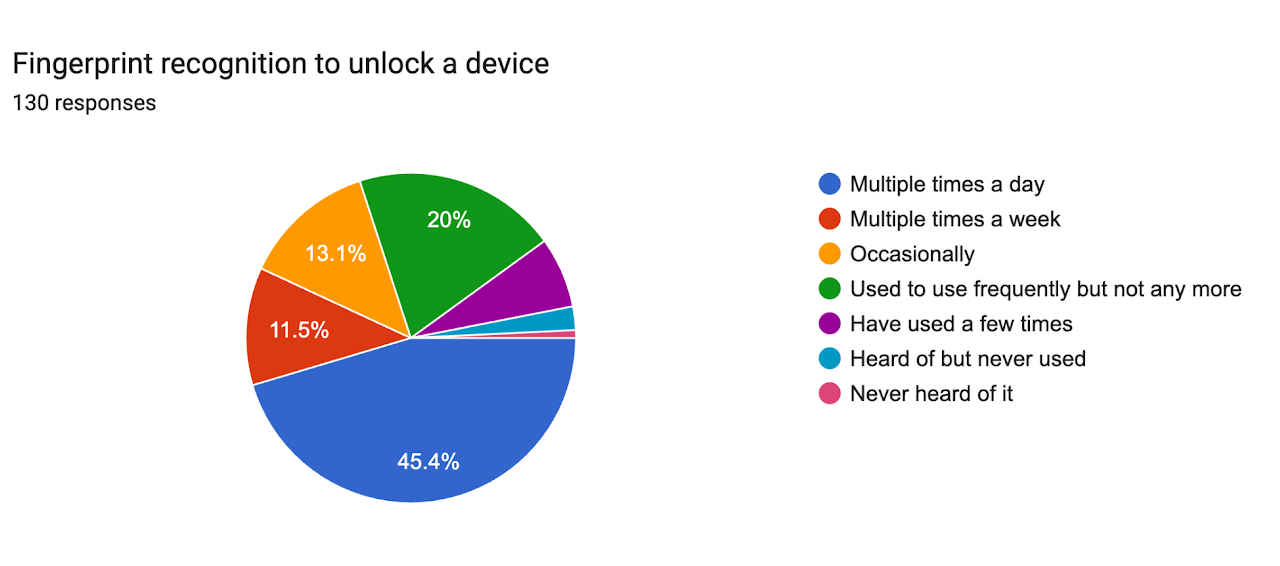
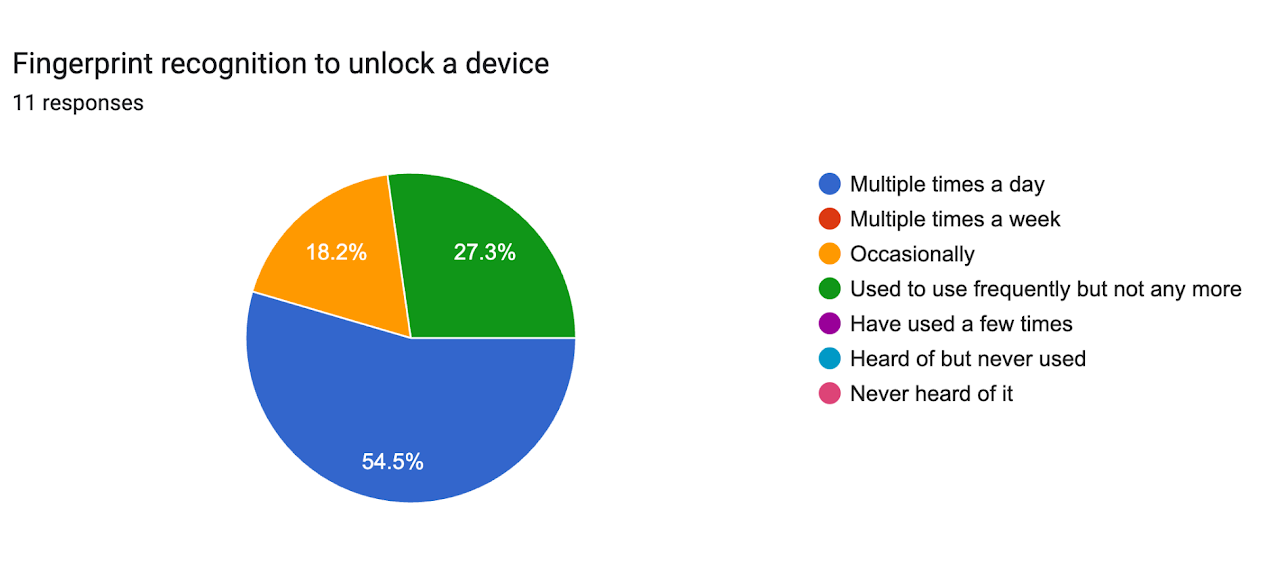
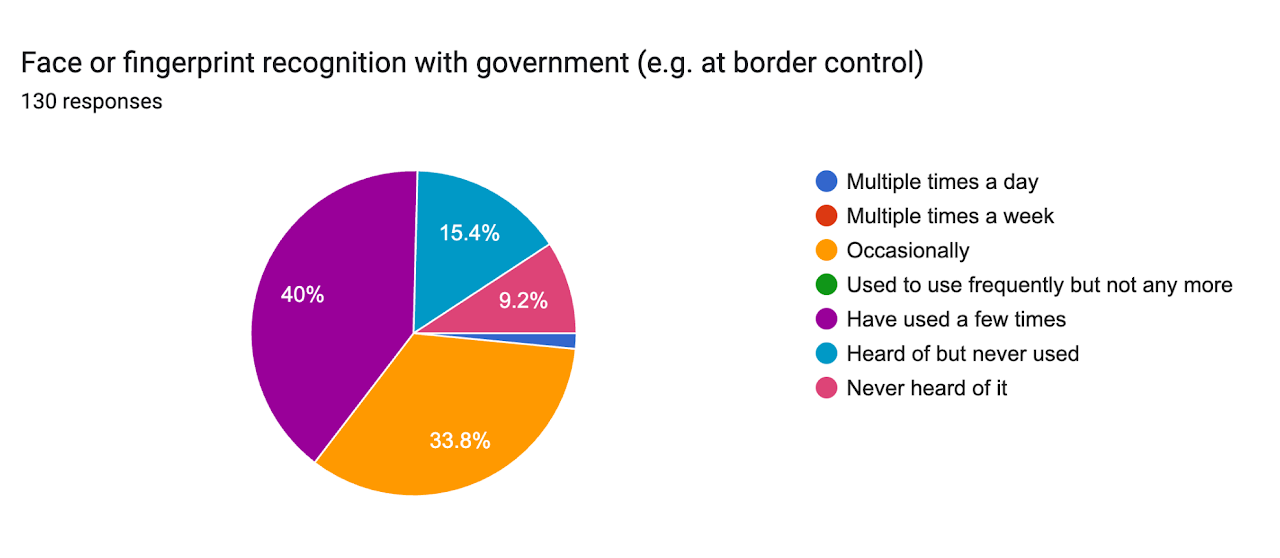
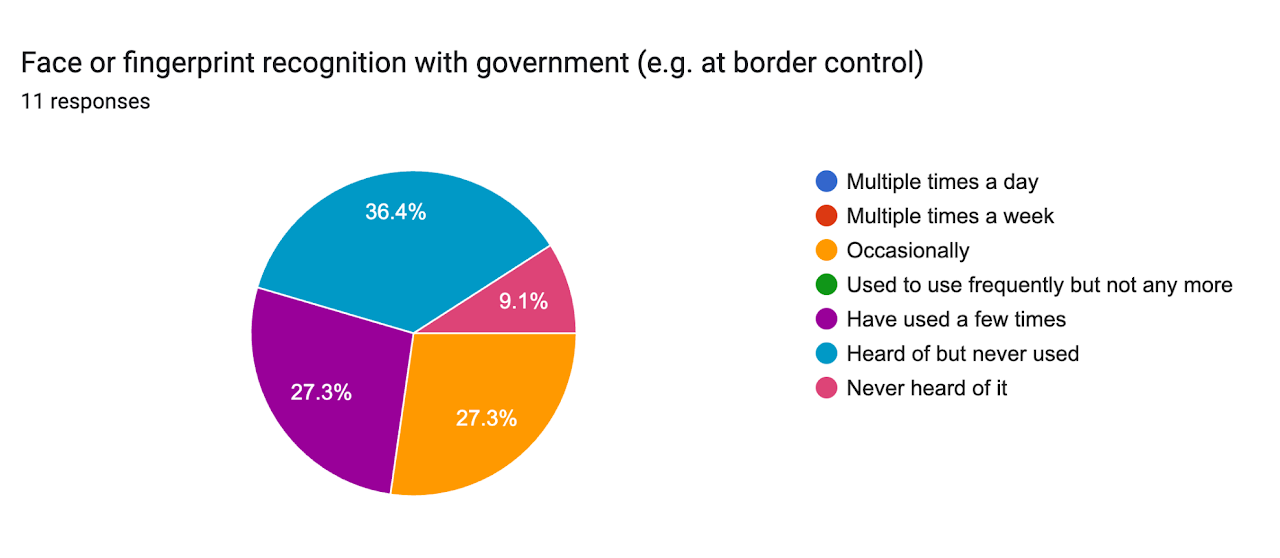
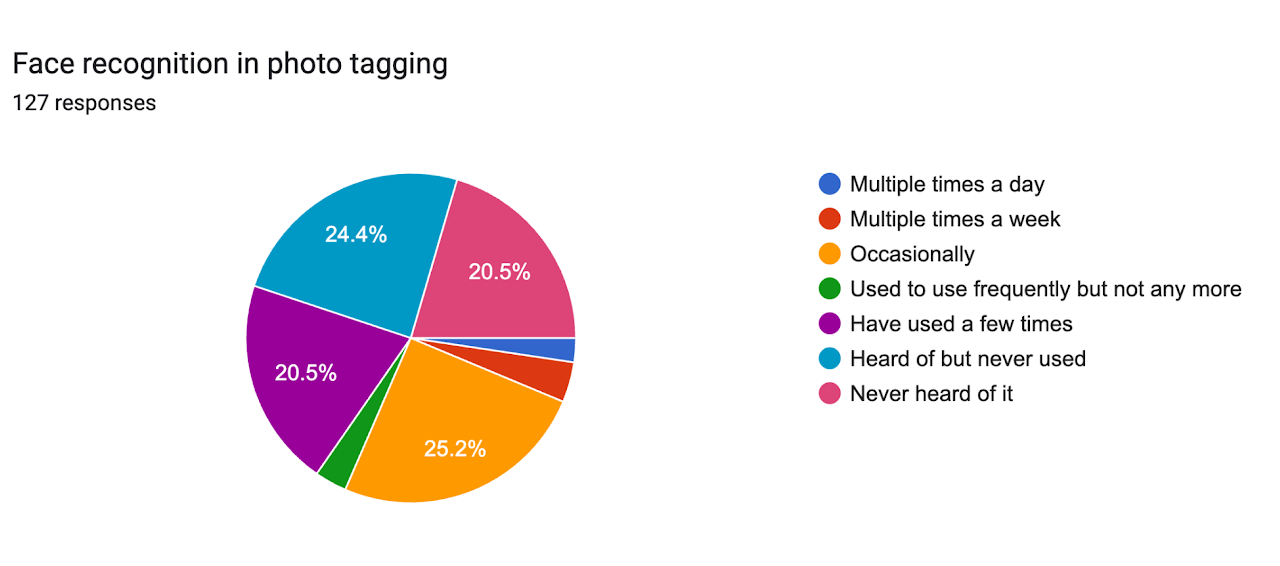
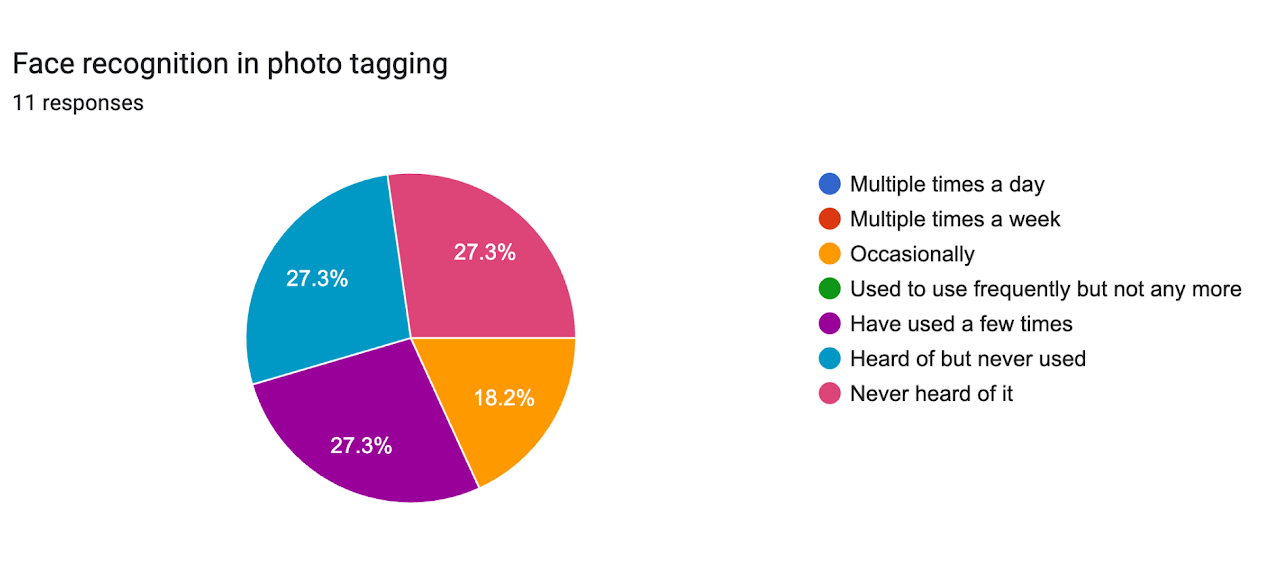
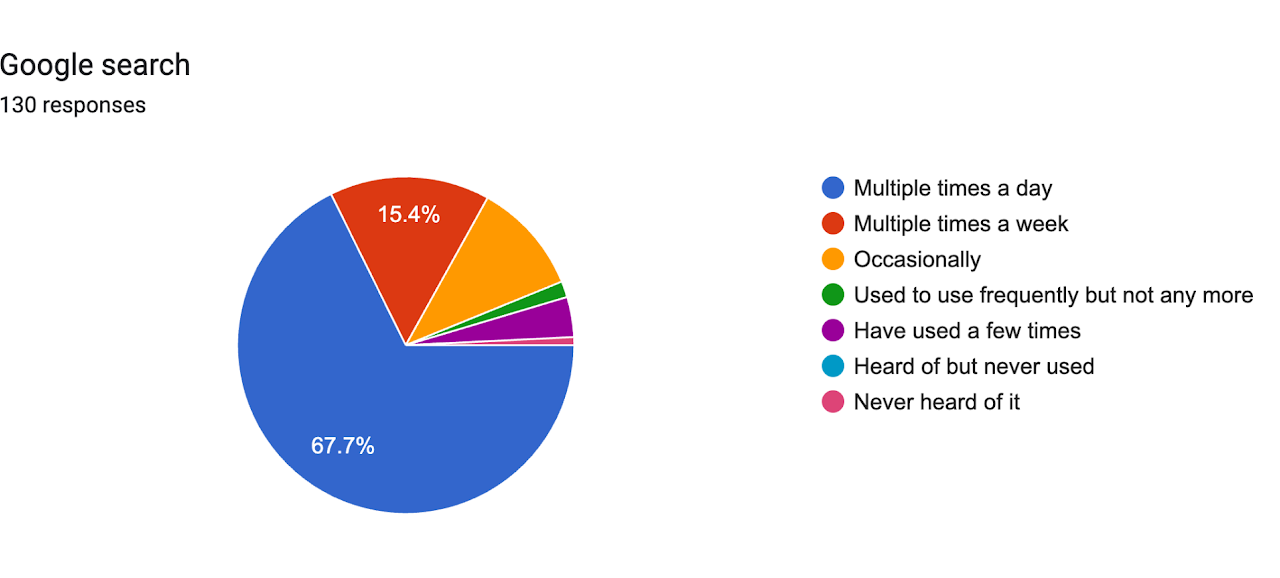
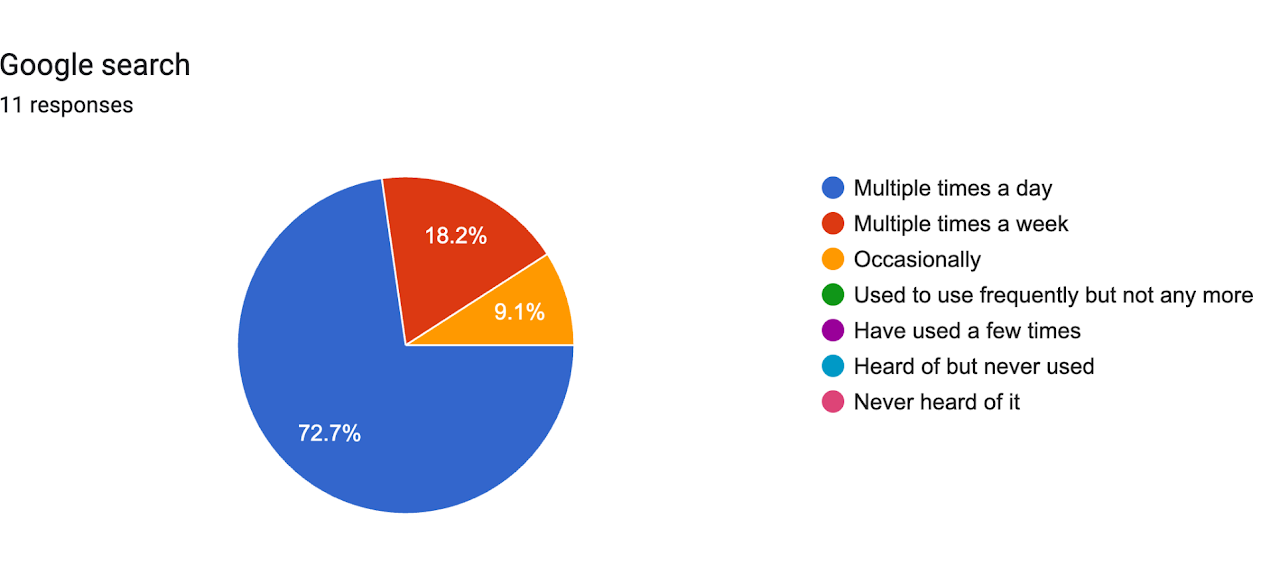
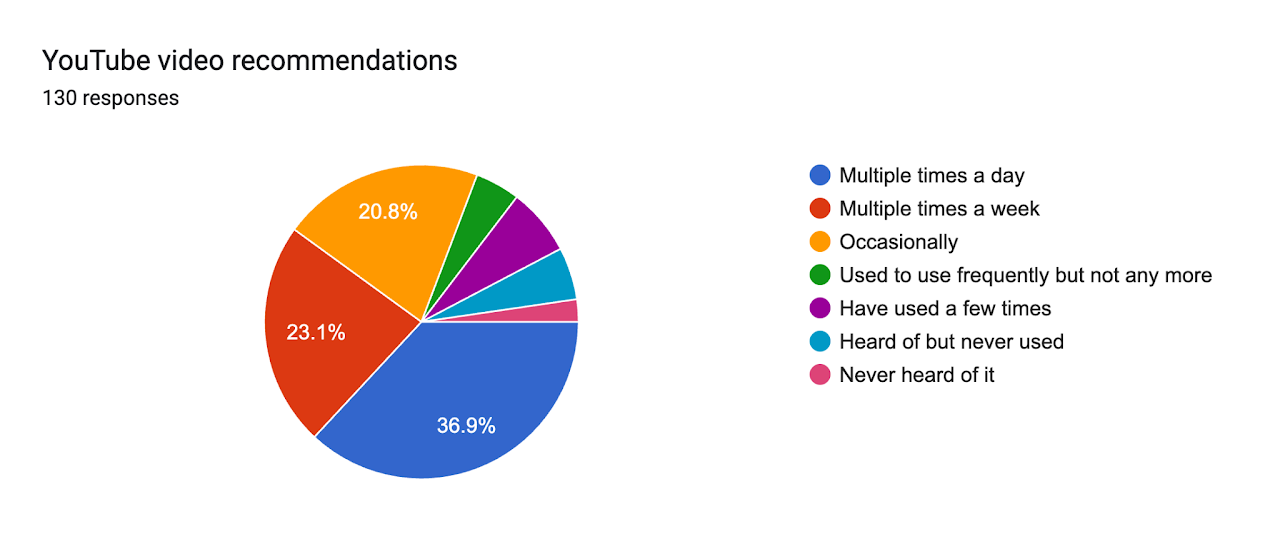
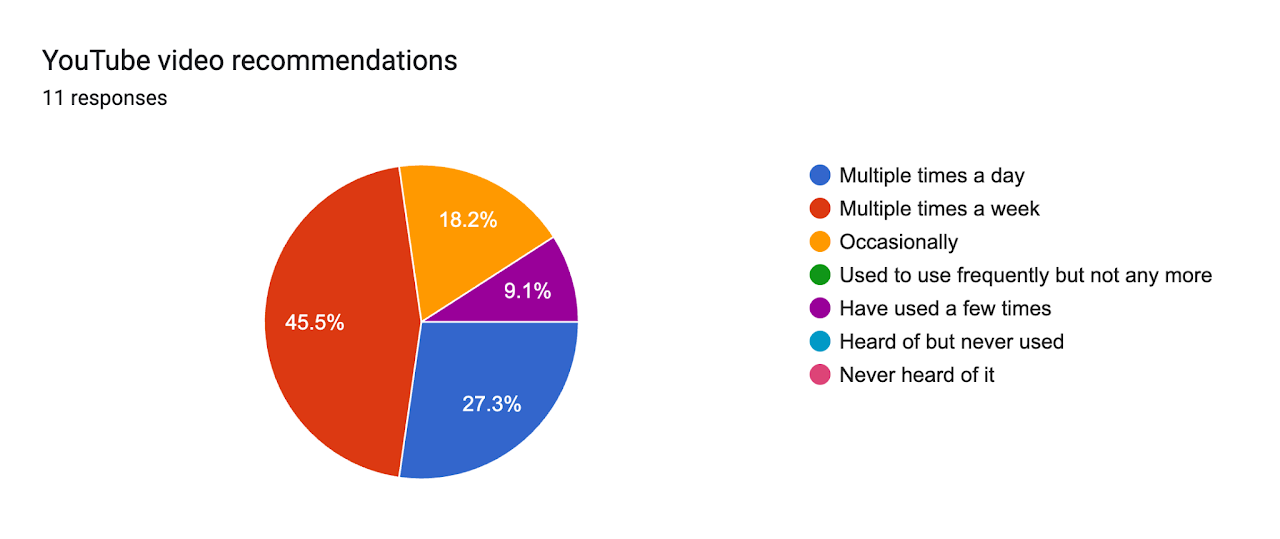
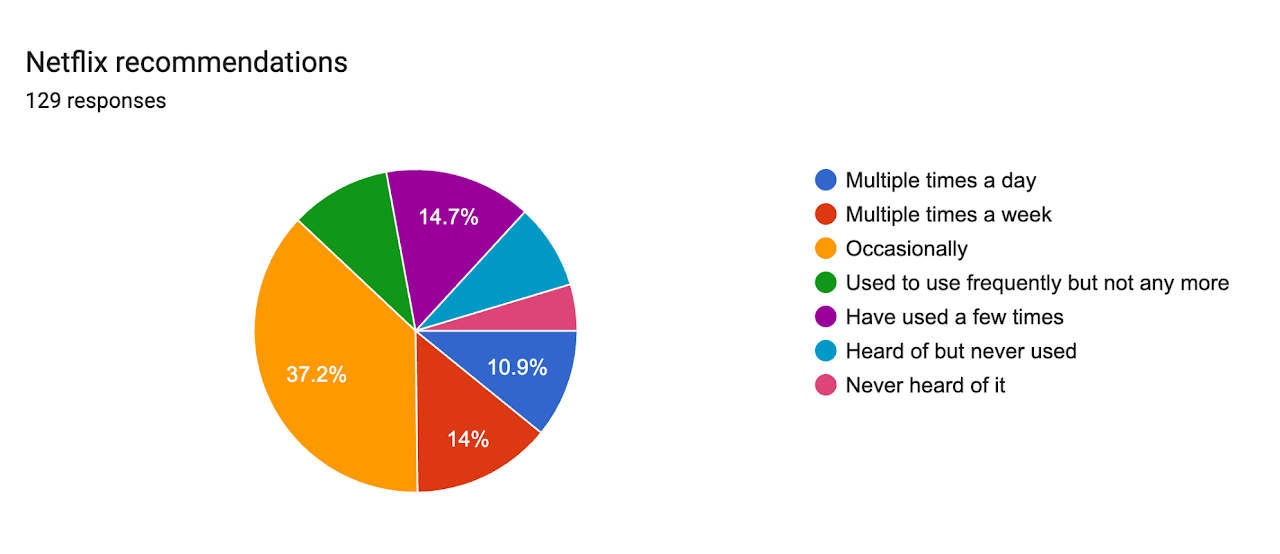
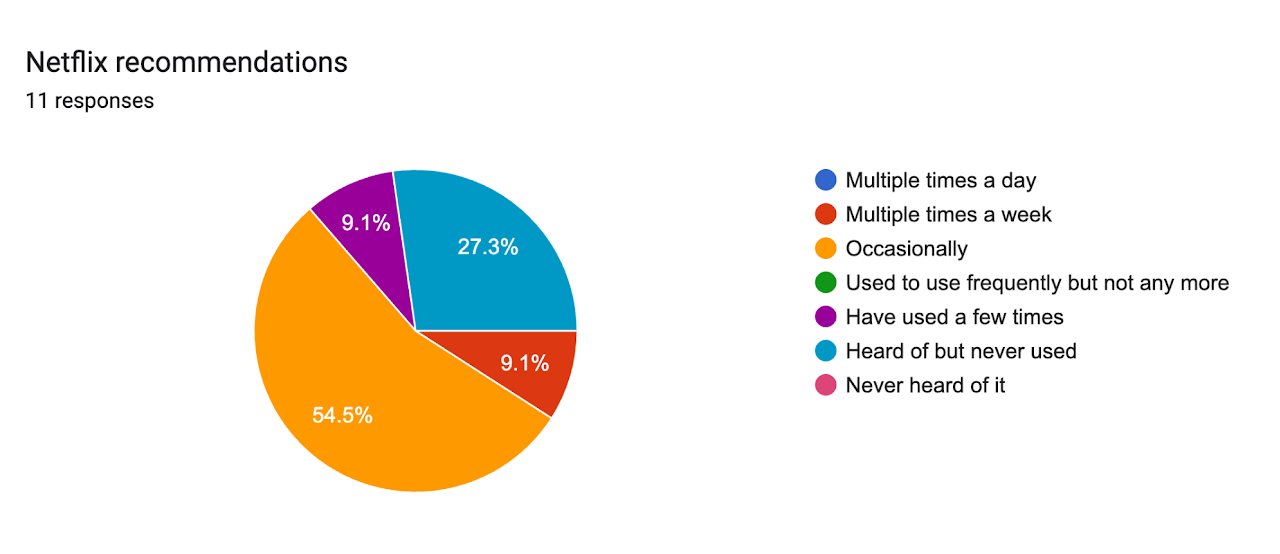
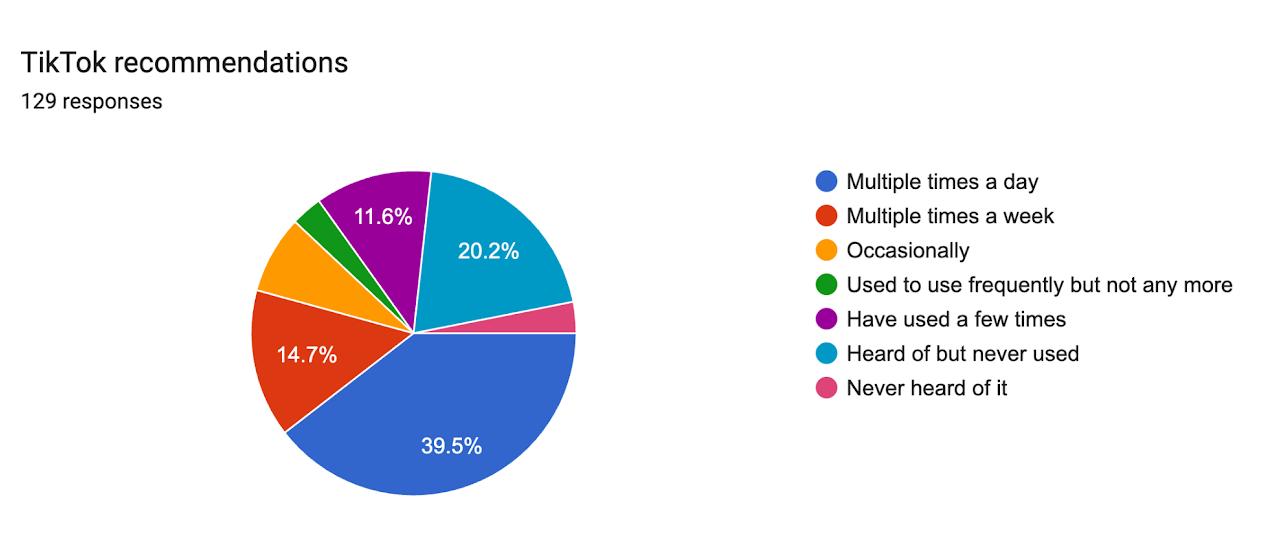
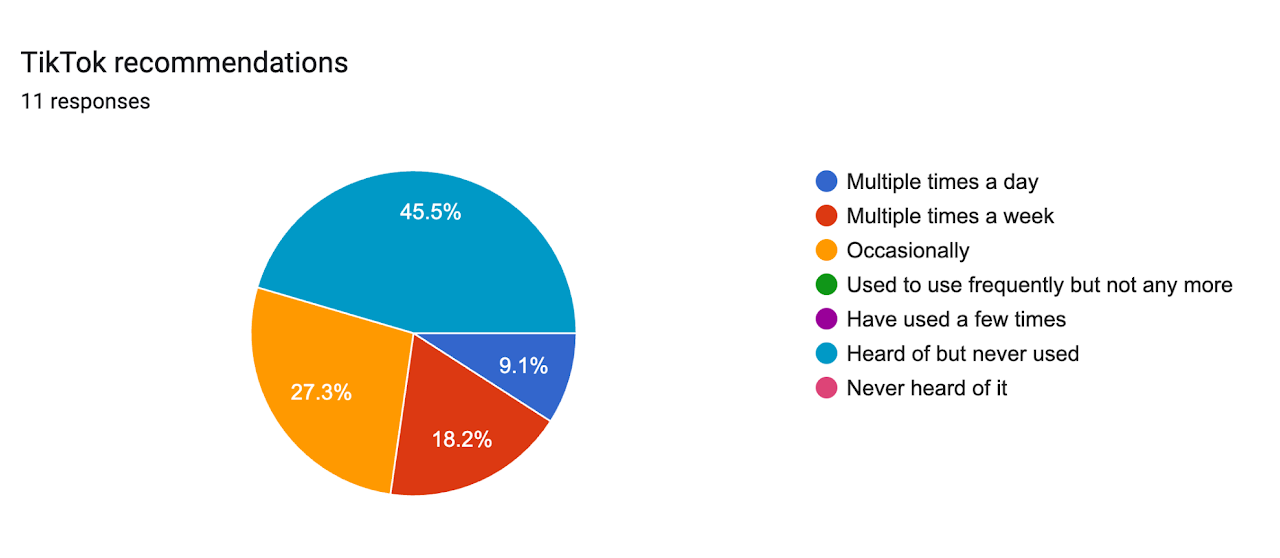
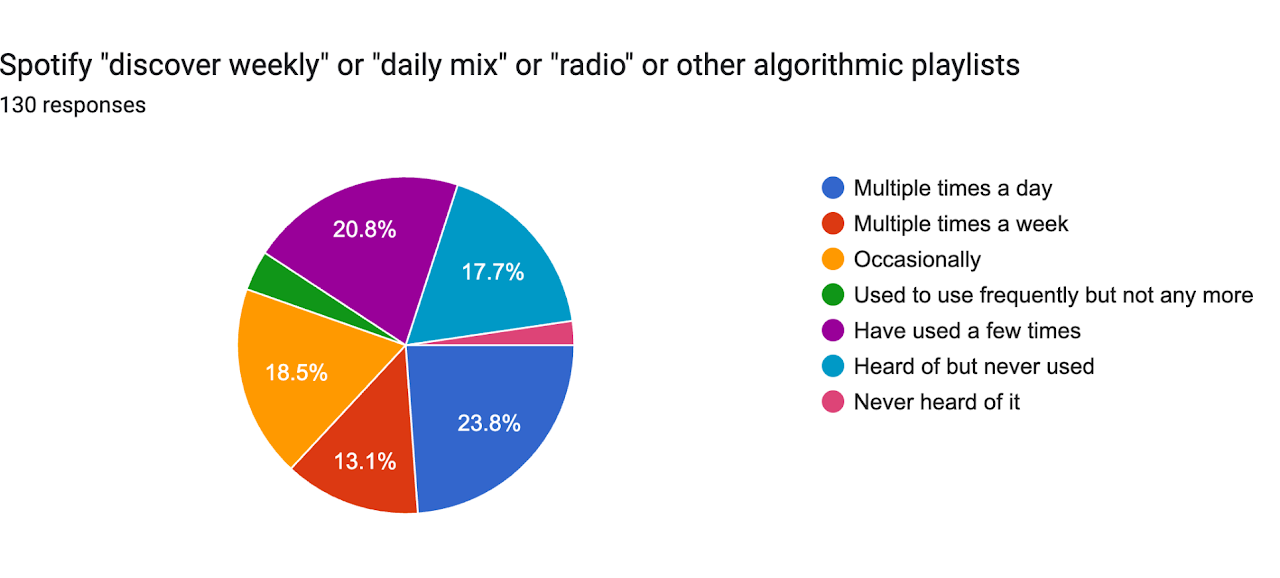
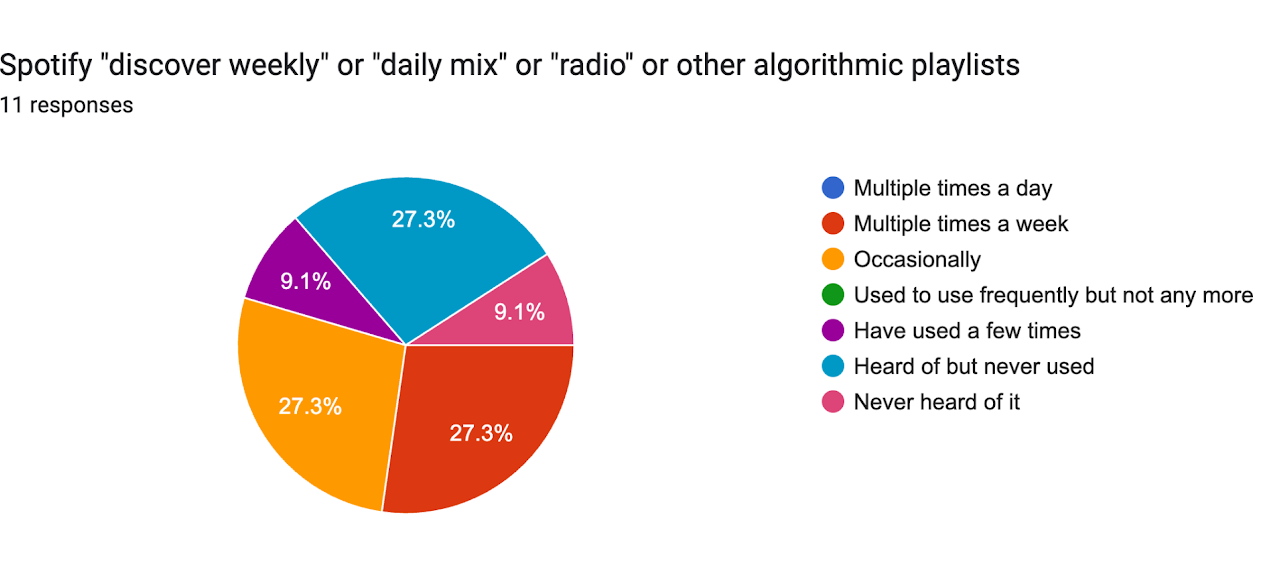
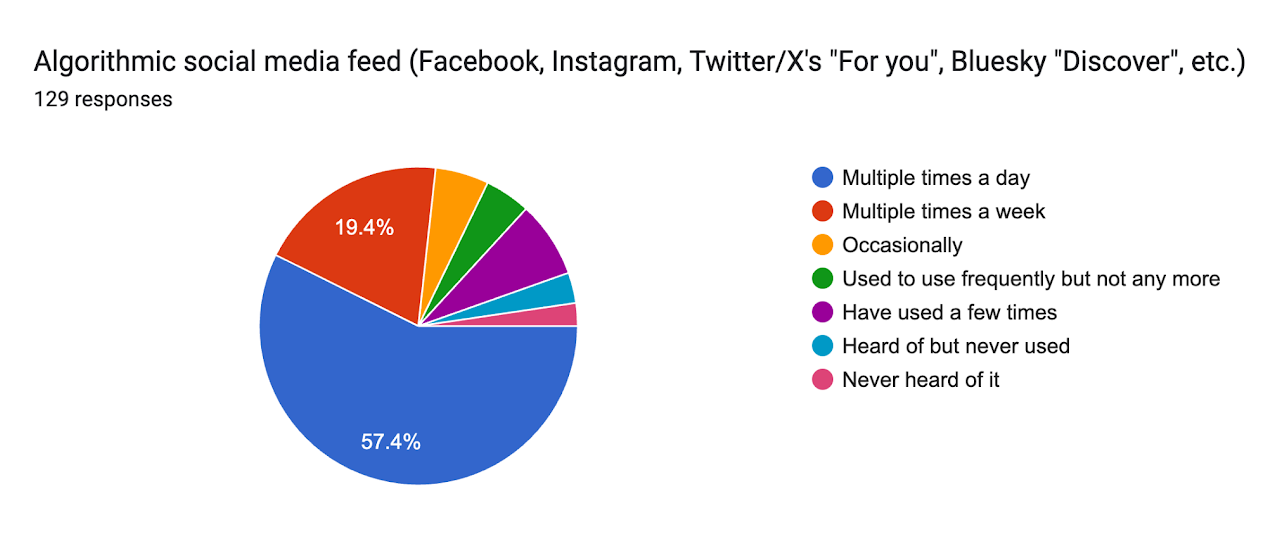
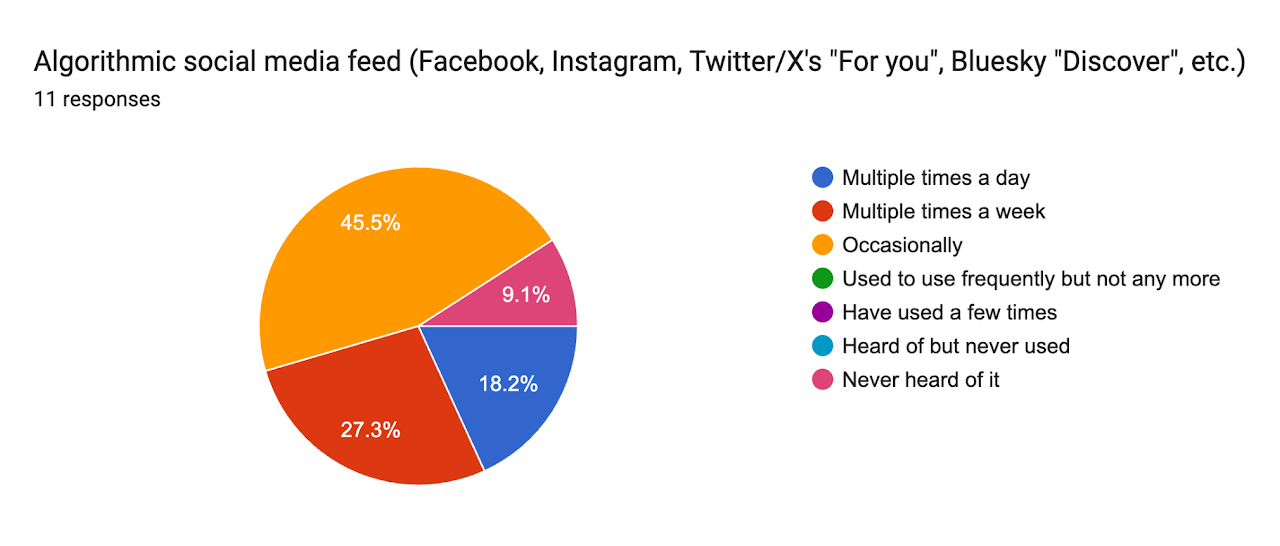
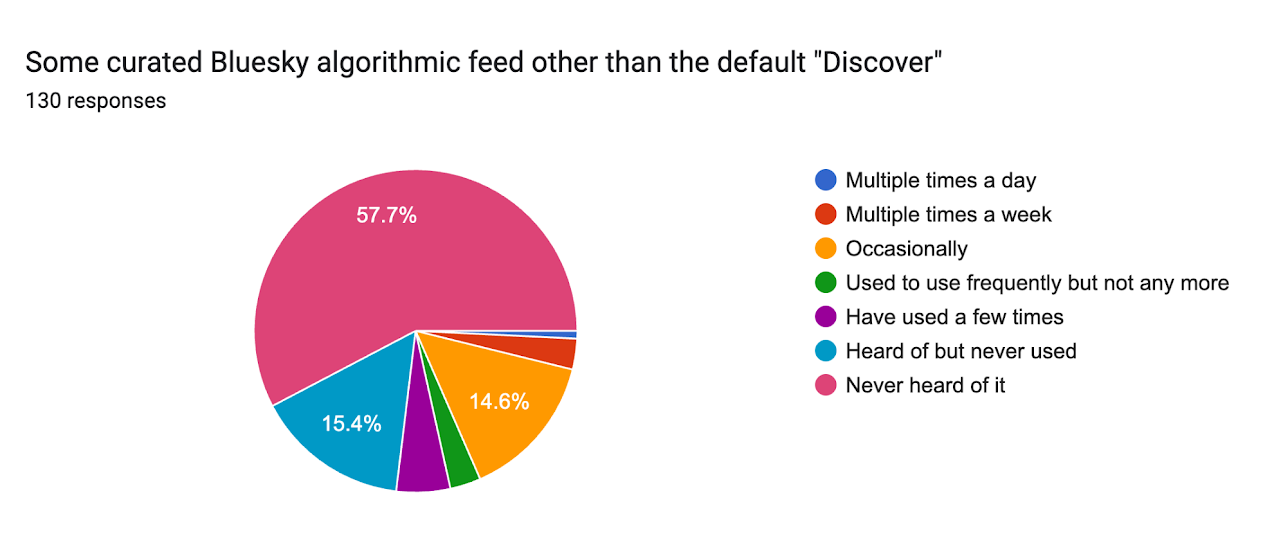
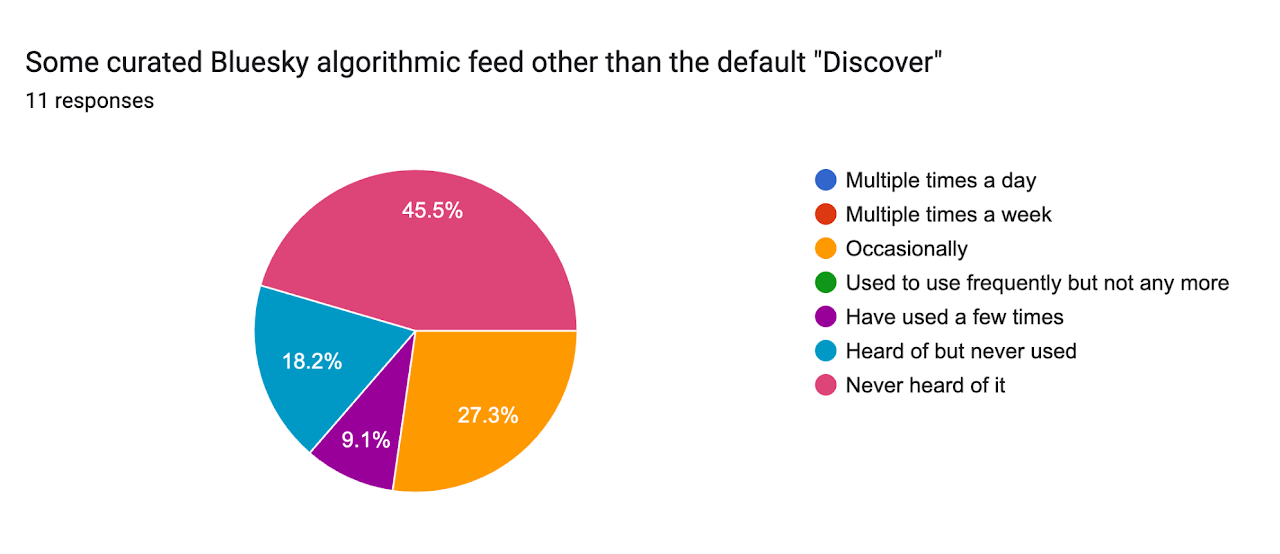
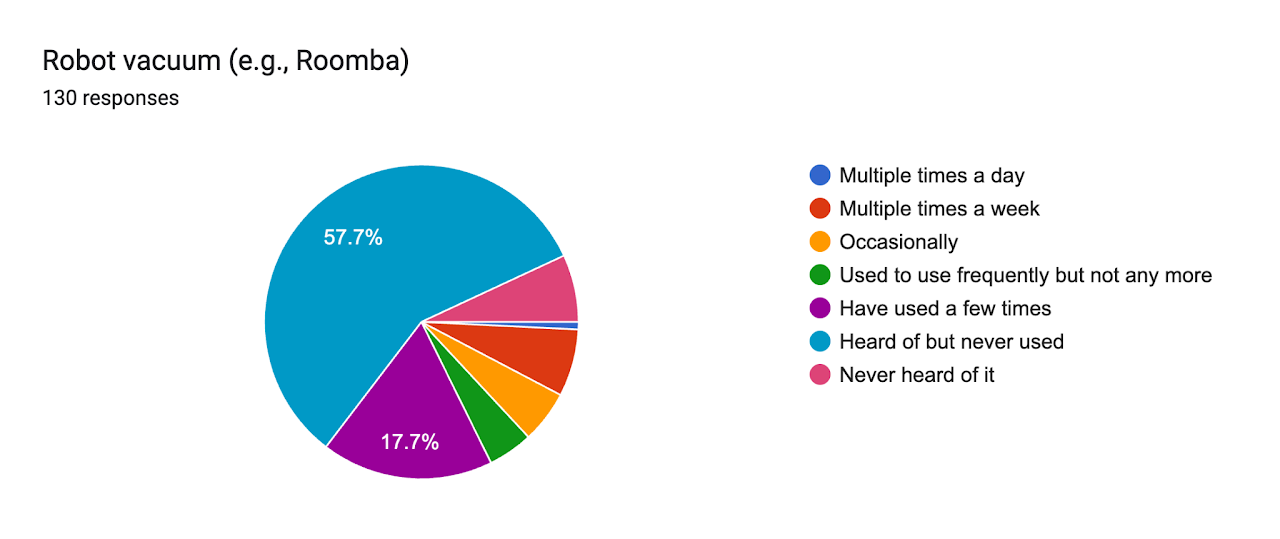
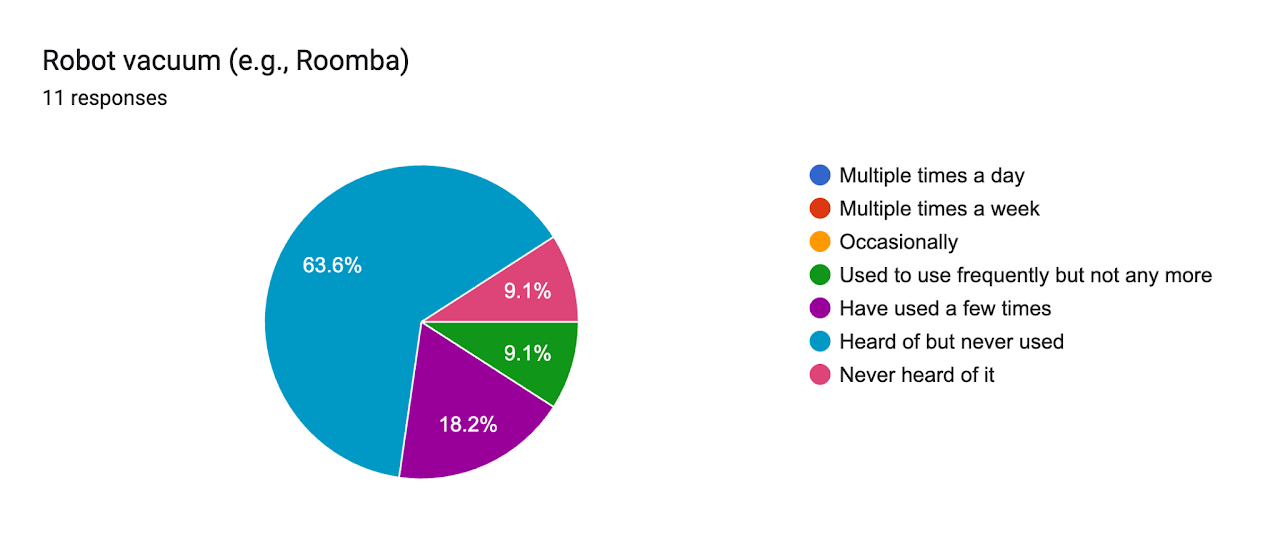
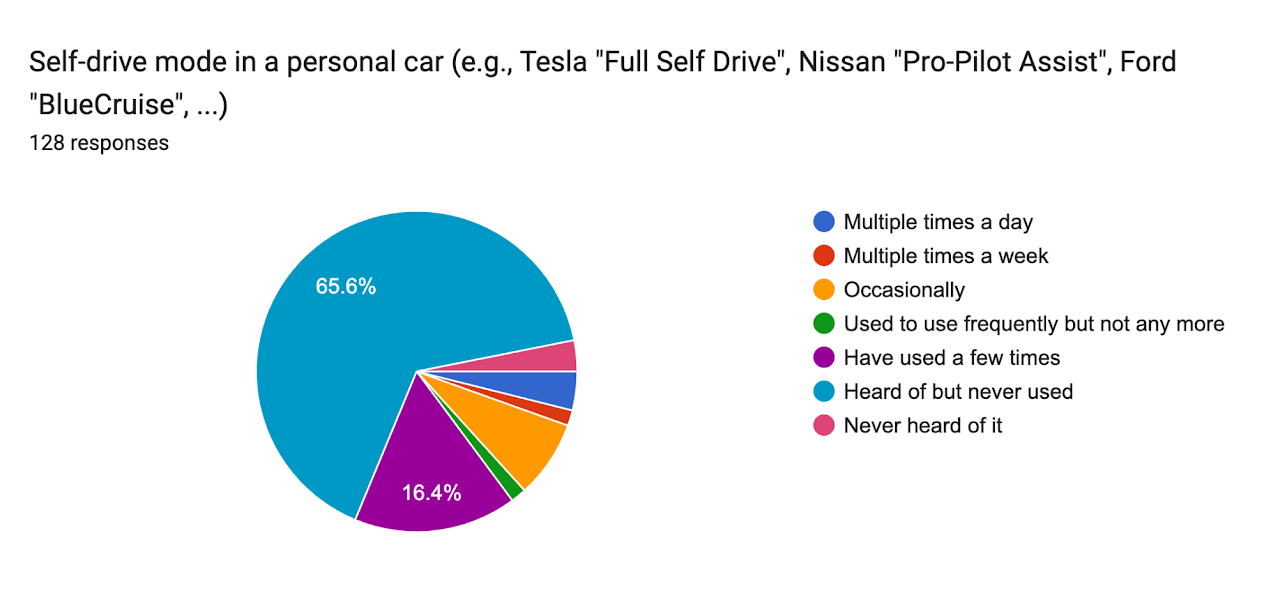
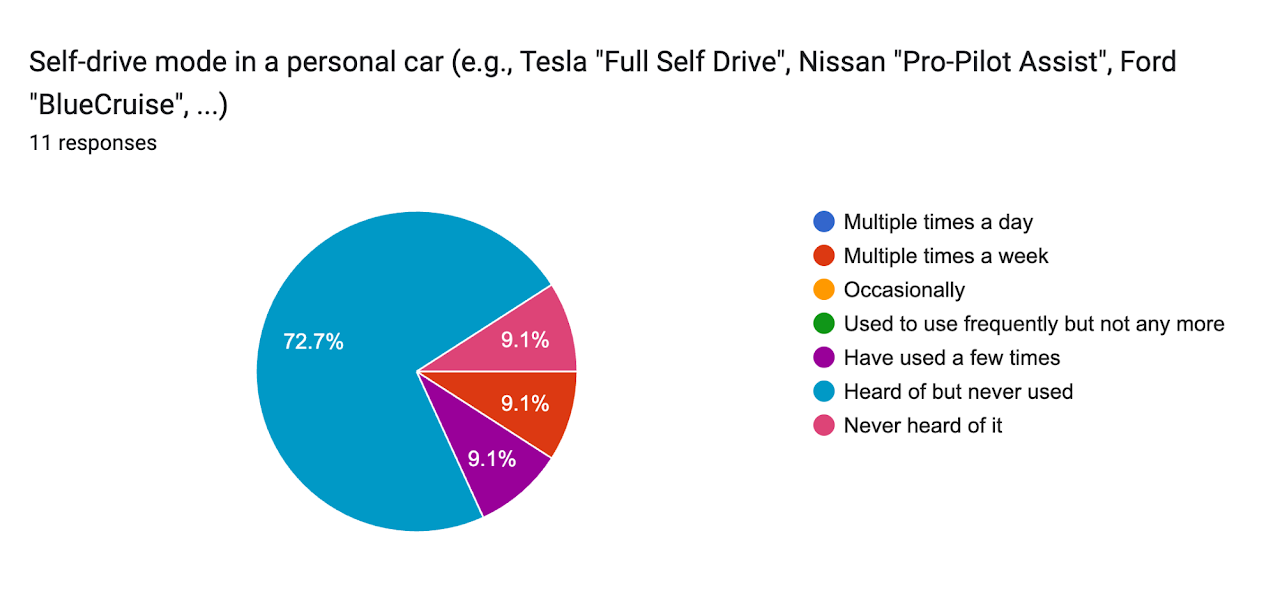
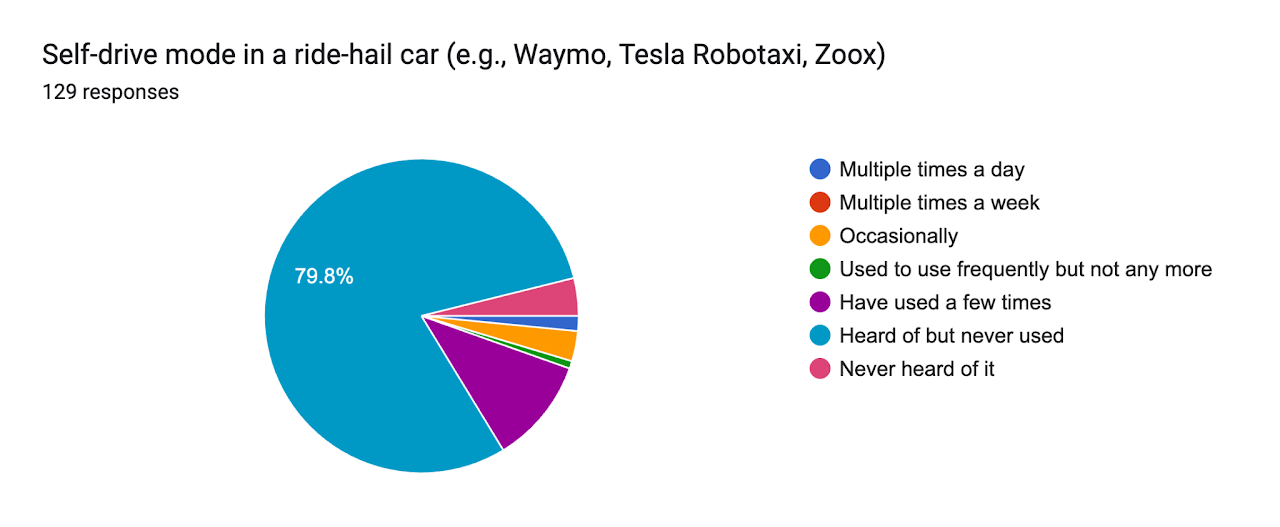
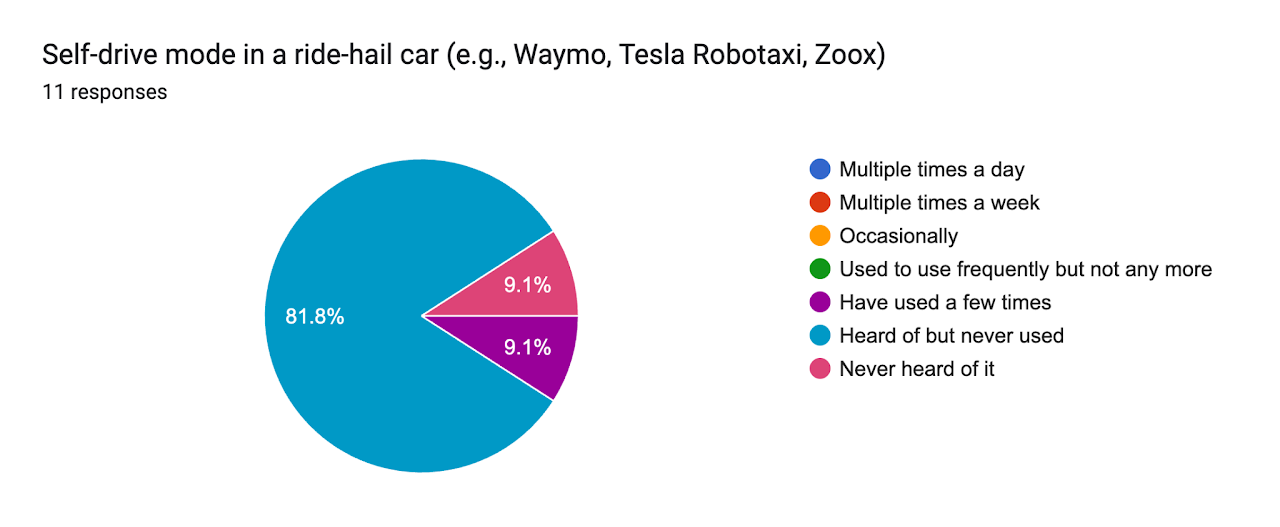
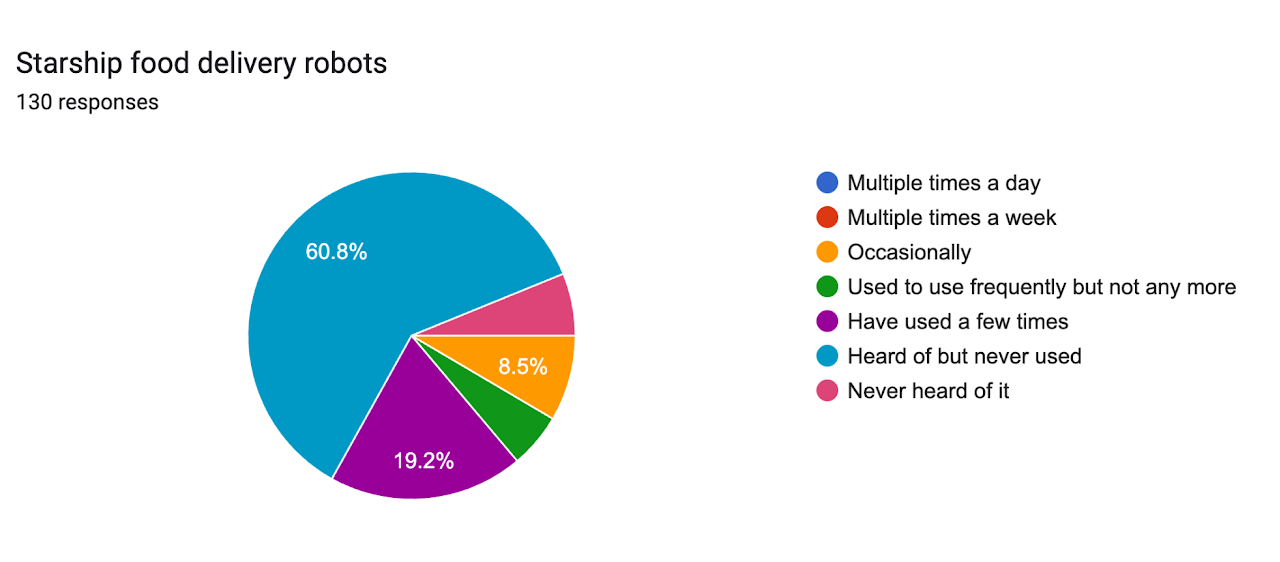
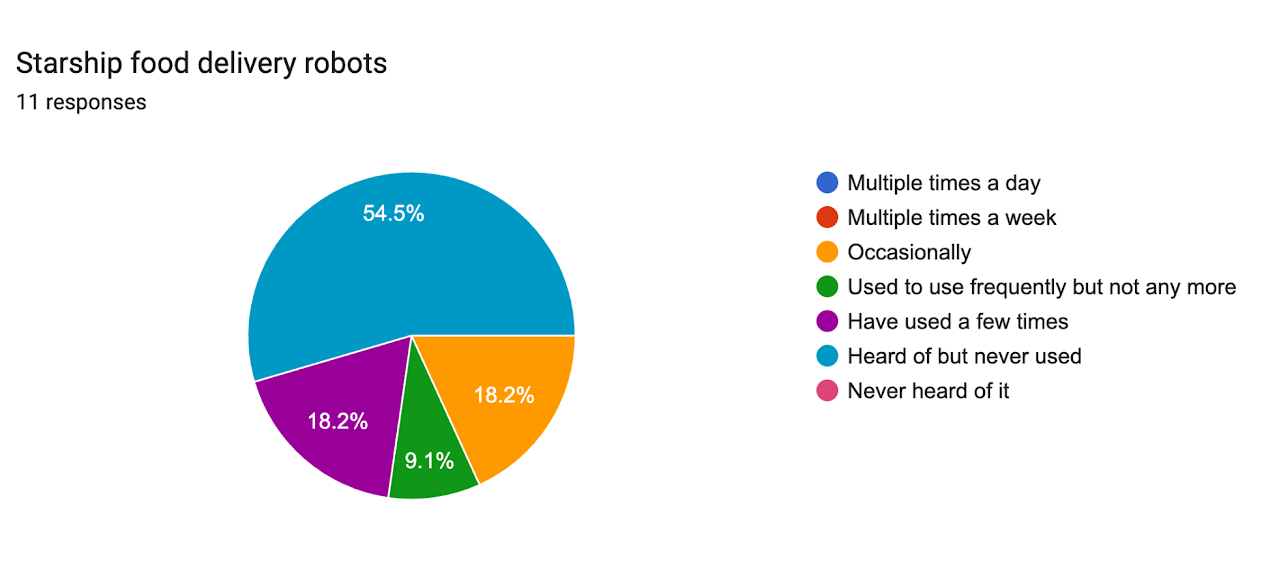
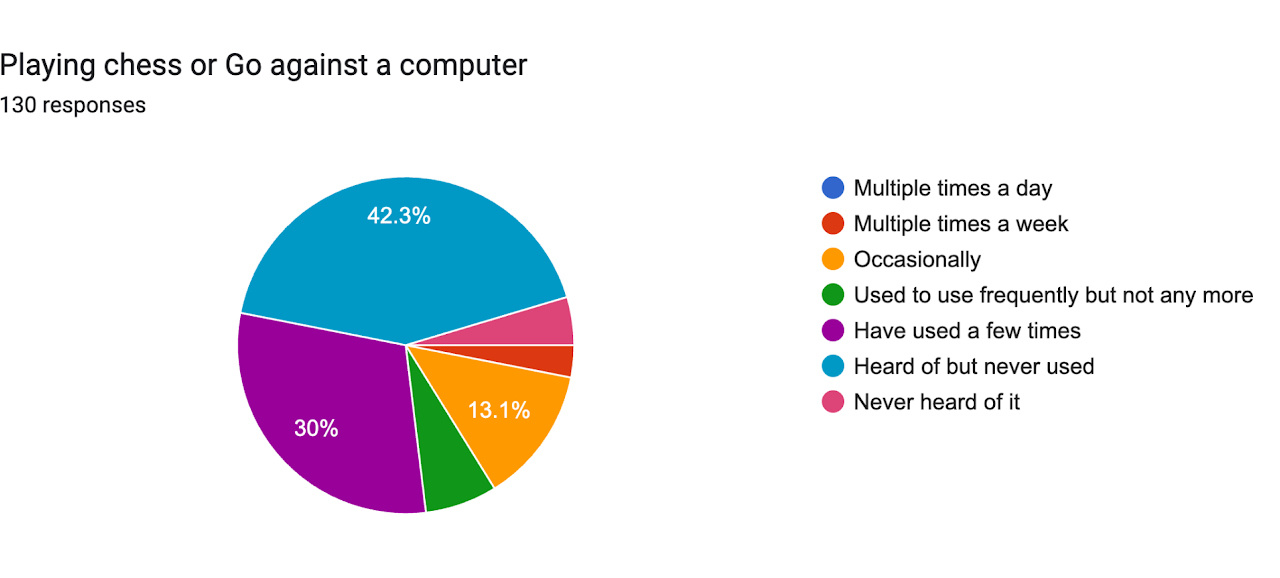
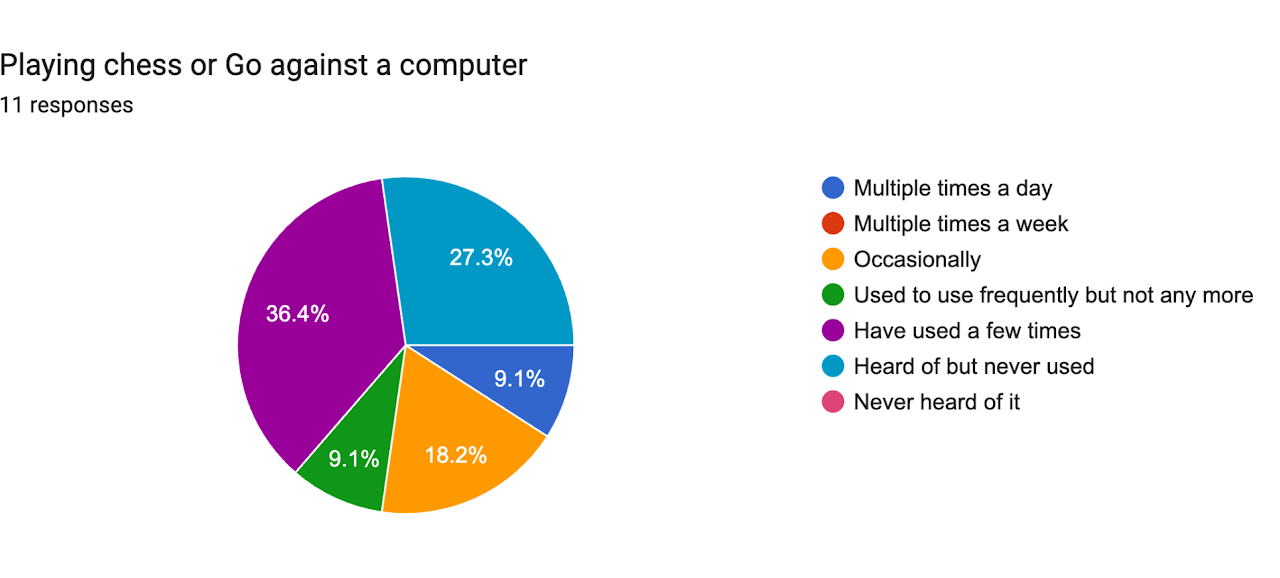
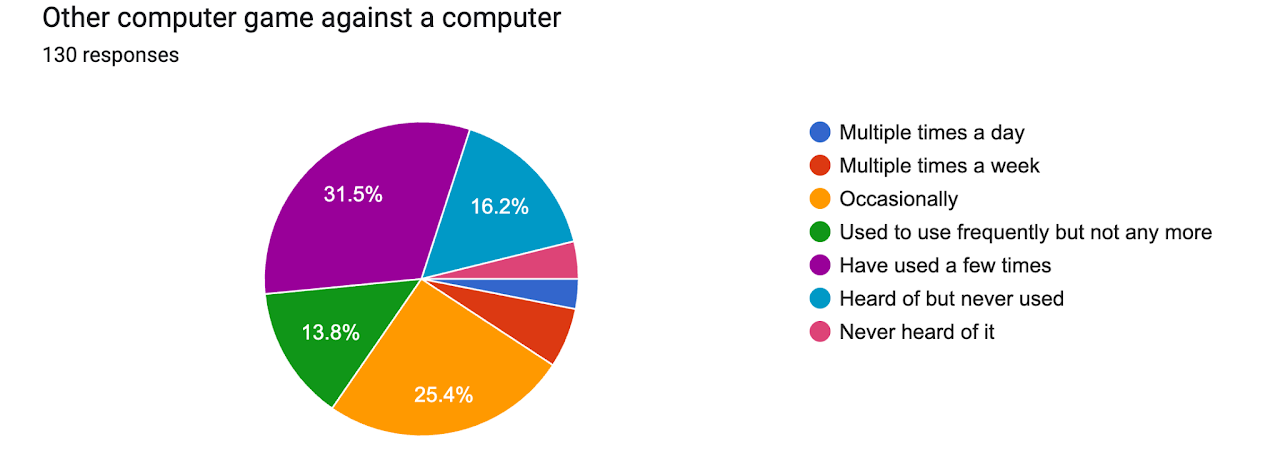
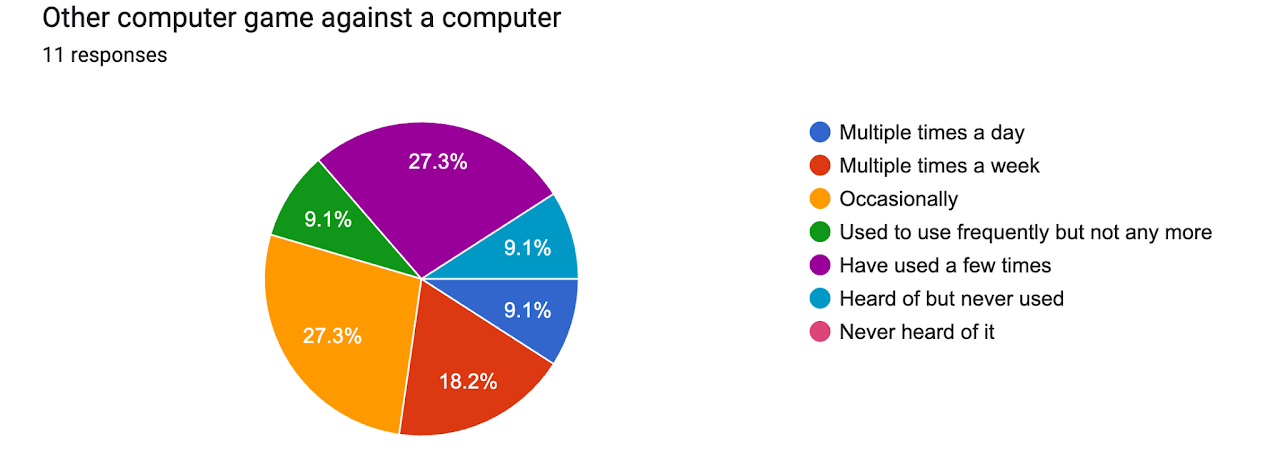
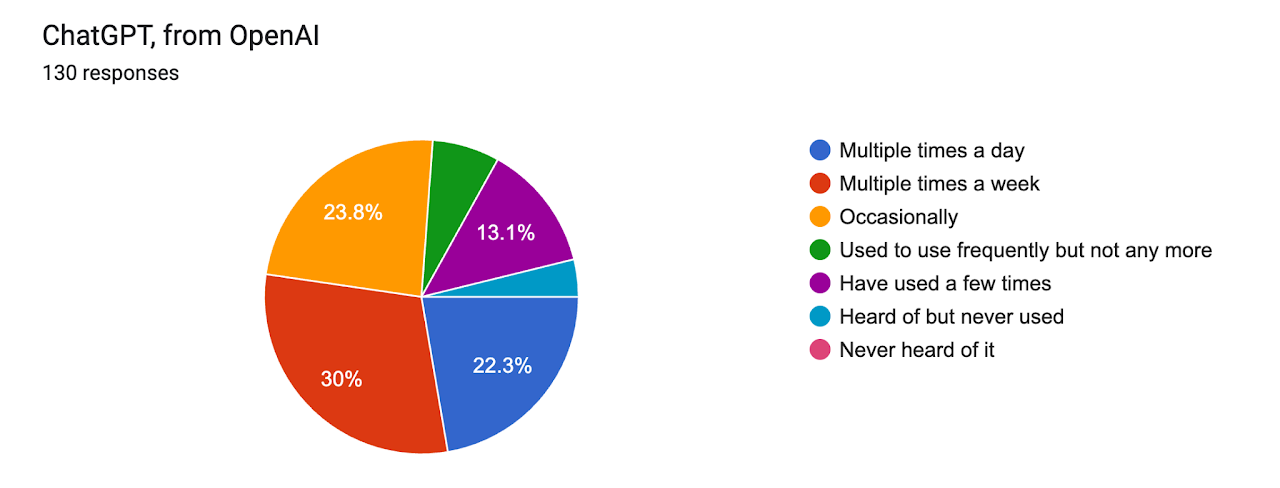
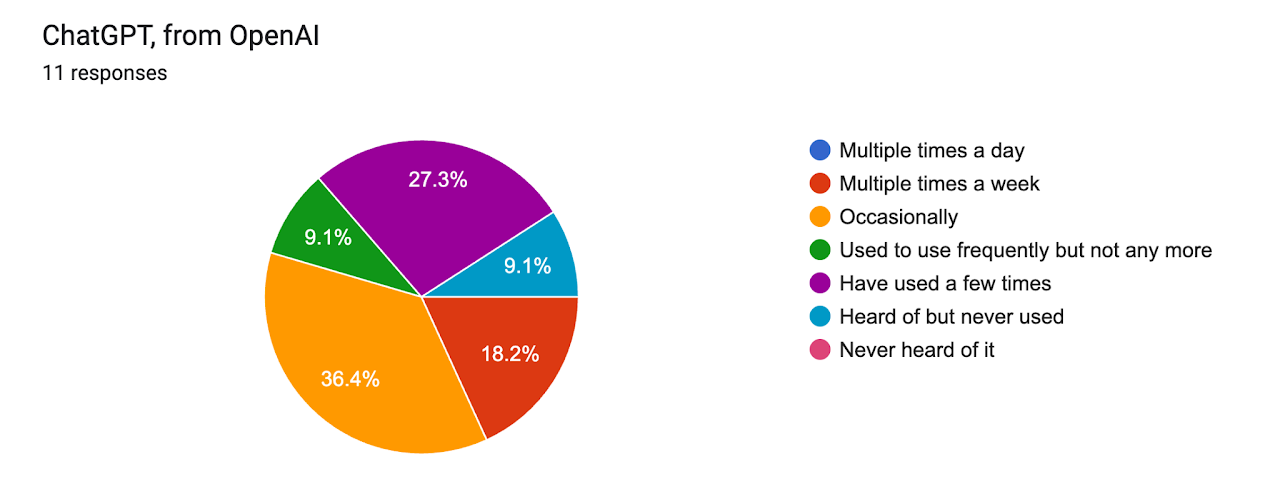
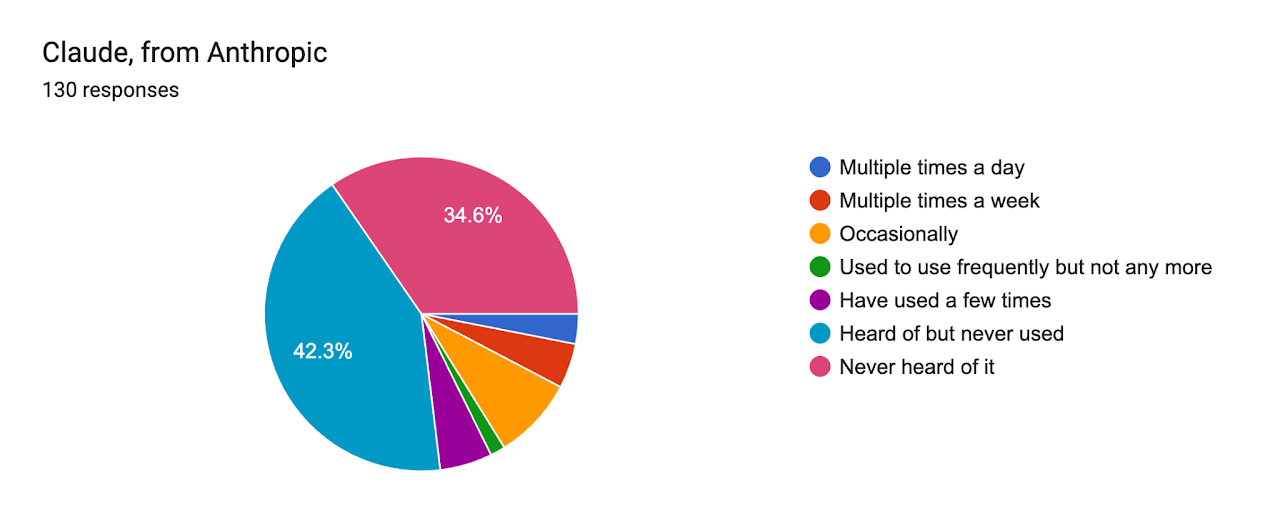
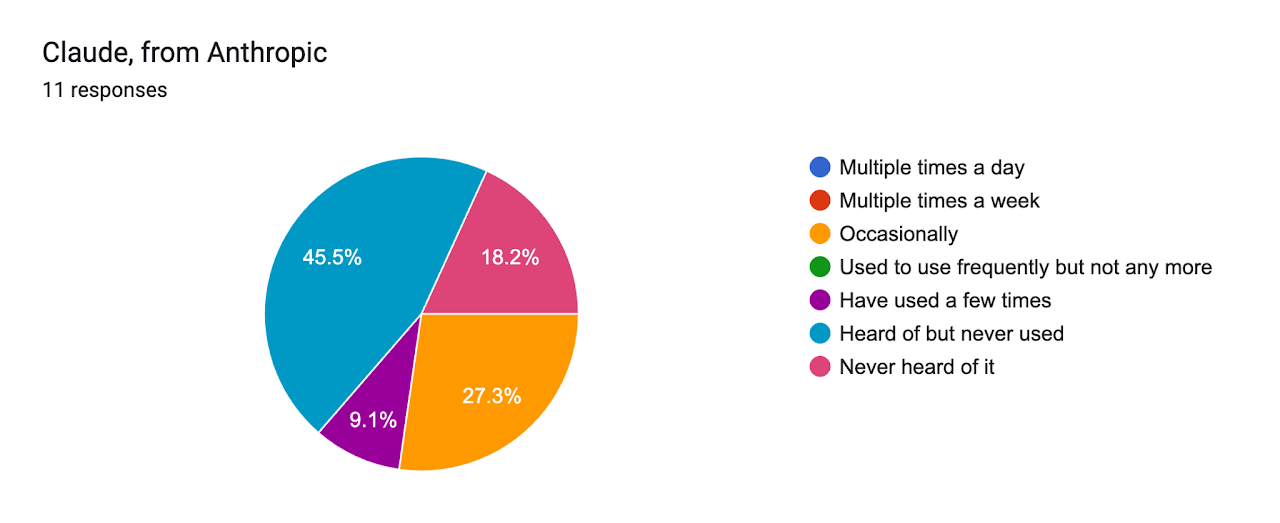
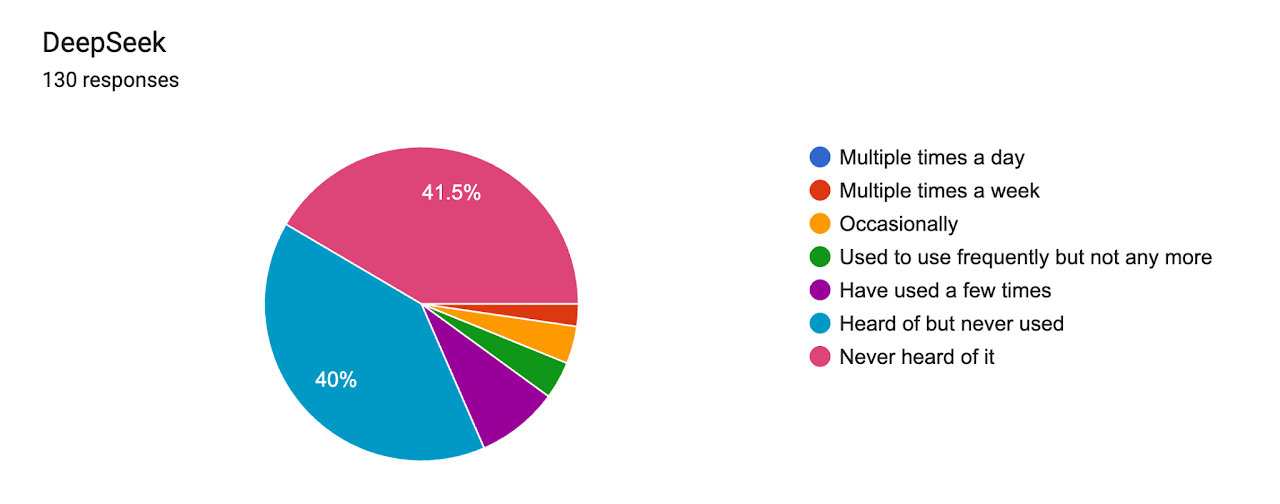
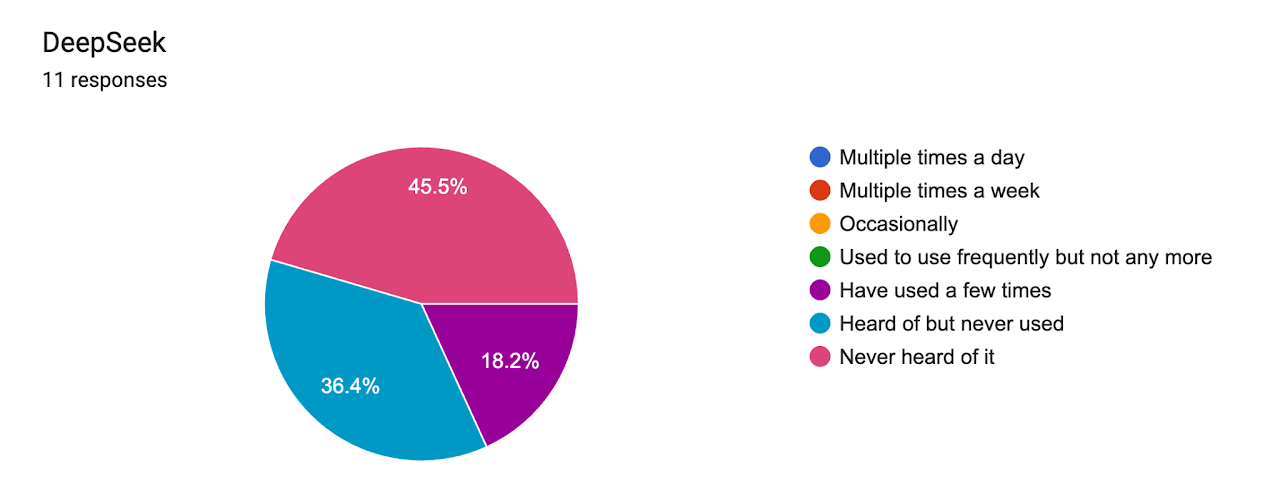
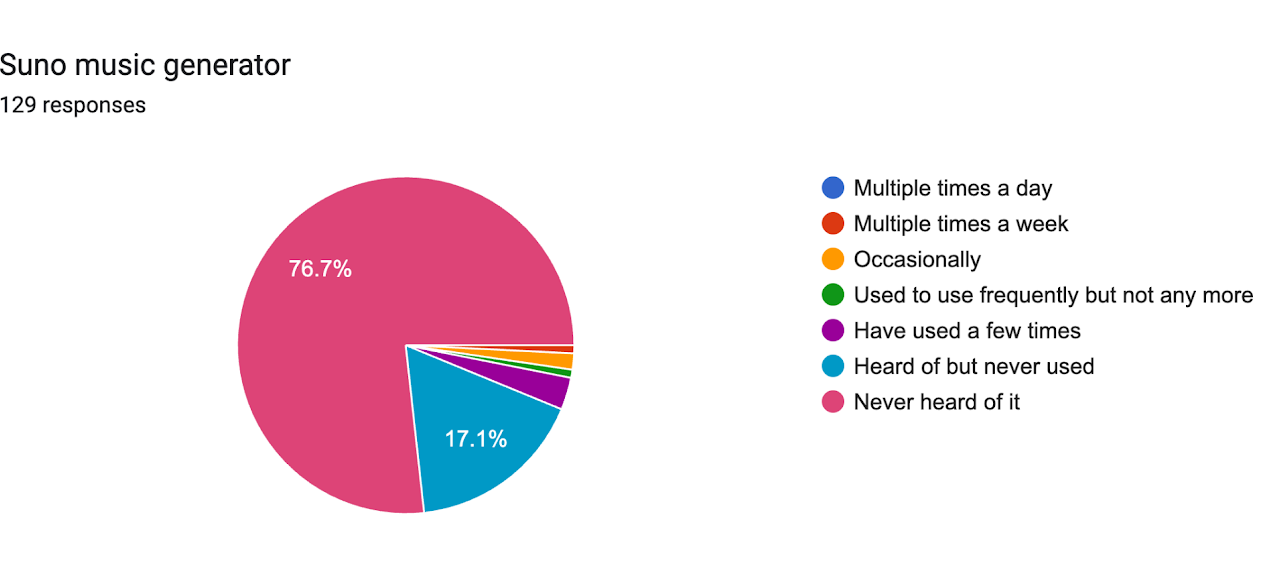
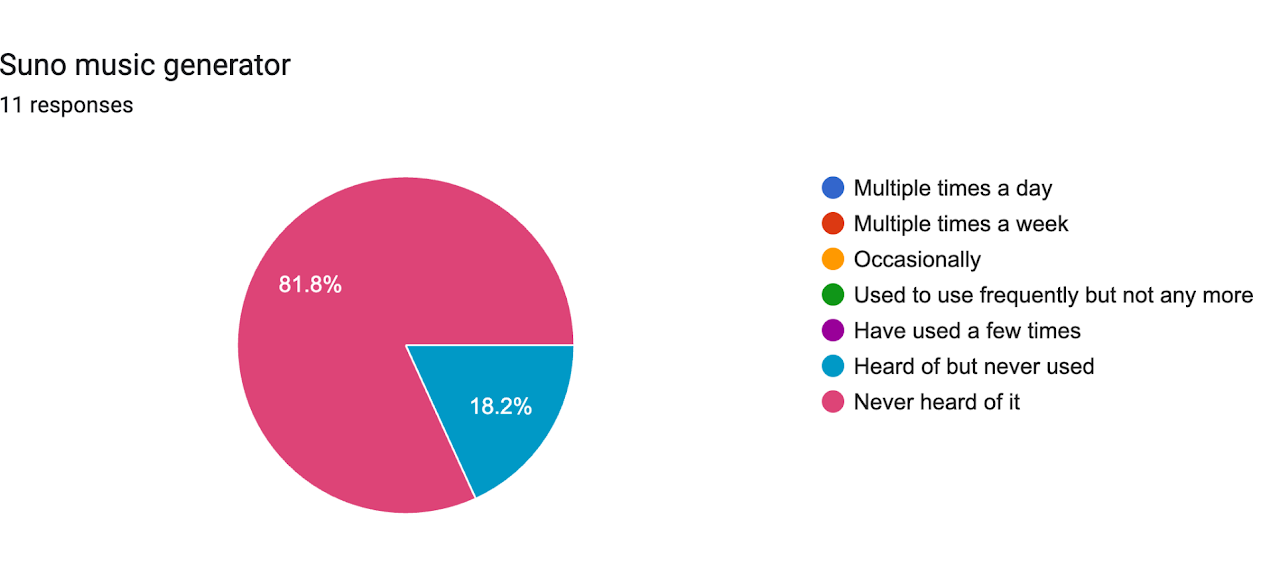
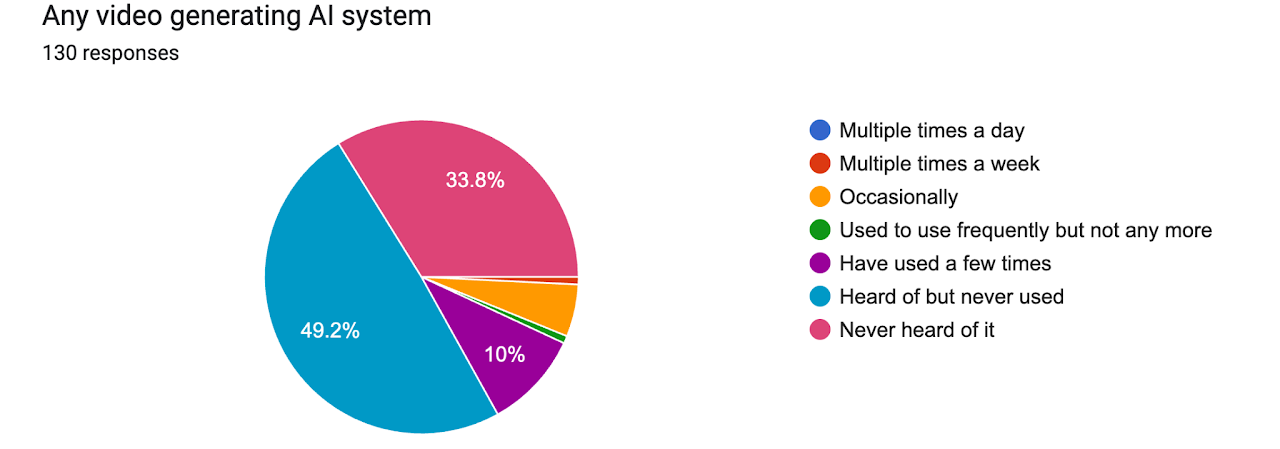
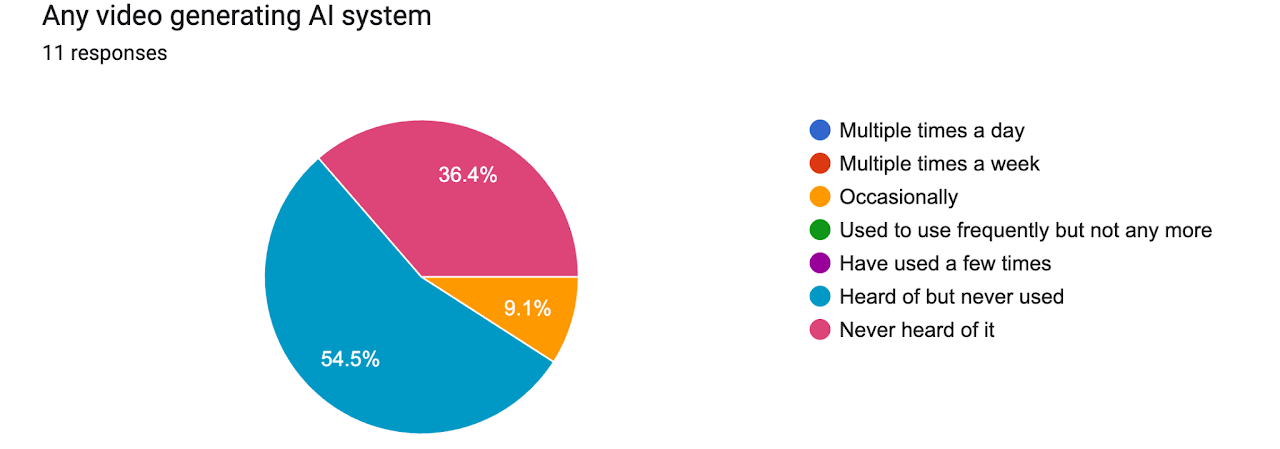
Each question is shown twice: the Spring 2026 class (130 responses) on the left, and the Summer 2026 class (11 responses) on the right.
Identification/Classification
Facial recognition to unlock a device
Fingerprint recognition to unlock a device
Face or fingerprint recognition with government (e.g. at borders)
Face recognition in photo tagging
Other identification/recognition systems (Gemini summary):
- Biometric Authentication: Many respondents utilize face and fingerprint recognition for tasks such as unlocking mobile devices, authorizing payments, and accessing identity documents.
- Voice and Virtual Assistants: Several individuals rely on voice-activated systems like Siri, Alexa, and Echo dots for daily tasks.
- Image and Pattern Analysis: Users engage with AI-based tools for image searching, photo organization (such as pet identification), and verification services.
- Lack of Awareness or Usage: A significant number of participants reported no usage of additional AI-based identification systems or expressed uncertainty regarding whether the technologies they interact with qualify as such.
Recommendation systems
Google search
YouTube video recommendations
Netflix recommendations
TikTok recommendations
Spotify “discover weekly” or “daily mix” or “radio” or other algorithmic playlist
Algorithmic social media feed (Facebook, Instagram, Twitter/X)
Some curated Bluesky algorithmic feed other than the default
Other recommendation systems (Gemini summary):
- Shopping and E-commerce: Respondents frequently identified platforms such as Amazon, as well as general shopping websites and fashion retailers, as sources for AI-driven purchase and product suggestions.
- Media and Entertainment: Services including Spotify, Apple Music, Netflix, Pinterest, TikTok, and the Steam “Discovery Queue” are commonly used for content and media discovery.
- Navigation and Productivity: Tools like Google Maps, Yelp, Uber Eats, LinkedIn, Handshake, and Teamwork Online are utilized for location services, food delivery, and professional networking or career development.
- Generative AI: Systems such as Claude, GPT, Grok, and Gemini were noted as tools for information and task assistance.
- Uncertainty or Non-usage: A large portion of respondents indicated they do not use, are unaware of using, or cannot recall using any additional AI recommendation systems.
AI systems that “do” things
Robot vacuum (e.g., Roomba)
Self-drive mode in a personal car (e.g., Tesla “Full Self Driving”)
Self-drive mode in a ride-hail car (e.g., Waymo, Tesla Robotaxi)
Starship food delivery robots
Playing chess or Go against a computer
Other computer game against a computer
Other “do” systems (Gemini summary):
- Generative AI and Search Tools: Respondents frequently utilize large language models and assistant tools, specifically ChatGPT, Claude, Gemini, and AI-generated search summaries to answer questions and facilitate tasks.
- Smart Home and Automation: Participants leverage automated environmental systems, including smart thermostats that adjust to schedules and weather, smart lighting, and general home appliance controls.
- Personal Assistants and Vehicle Safety: Usage includes voice-activated assistants like Siri and Alexa for daily tasks, as well as automotive safety features such as lane-keeping and emergency collision detection.
- Gaming and Entertainment: Individuals engage with AI-driven opponents or non-player characters when playing video games.
Large Language Model based generative AI systems
ChatGPT, from OpenAI
Claude, from Anthropic
DeepSeek
Gemini, from Google/DeepMind (including the generated results in search)
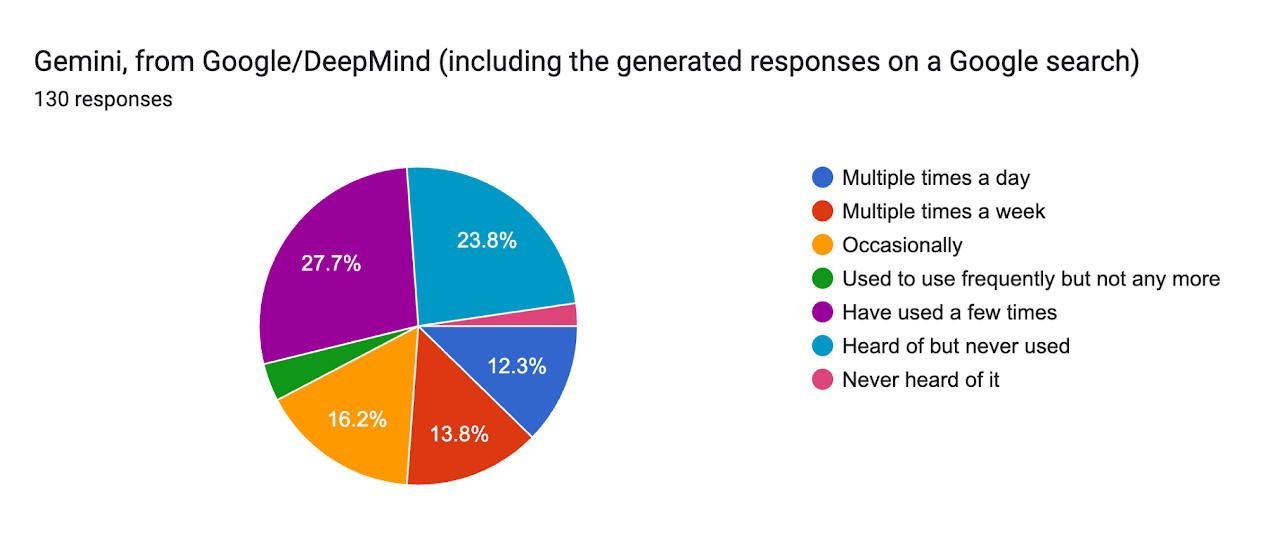
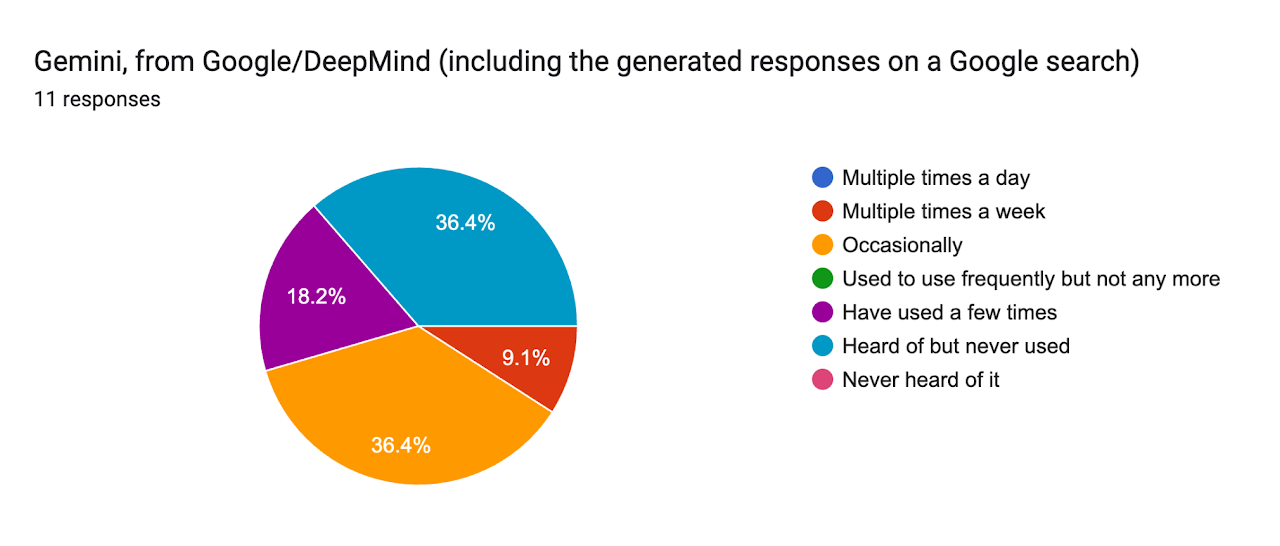
Other text-generating AI systems (Gemini summary):
- Commonly used AI tools: Users identified several external text-generating systems beyond standard options, most notably Perplexity, Microsoft Copilot, and NotebookLM.
- Specialized and niche applications: Less frequently mentioned tools include ZotGPT, DeepSeek, Grok, Character AI, Doubao, Yuanbao, Grammarly, and TikTok AI, alongside voice-to-type software and virtual assistants like Siri and Alexa.
- Limited or no additional usage: The majority of respondents indicated they do not use any additional text-generating AI systems beyond those already covered in the survey.
Non-text-based generative AI
Midjourney
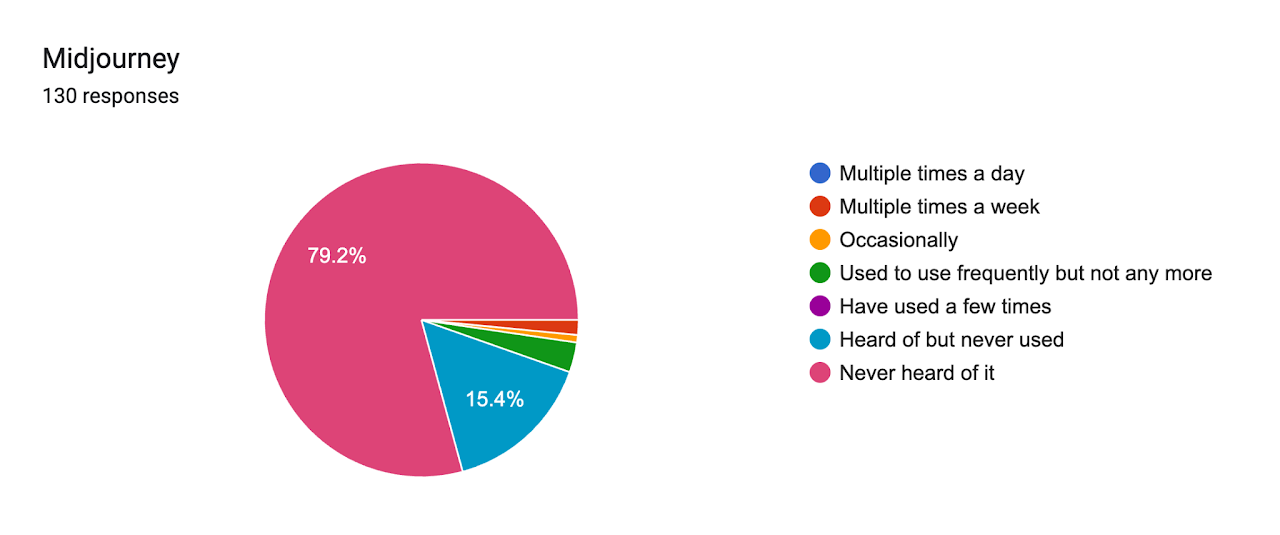
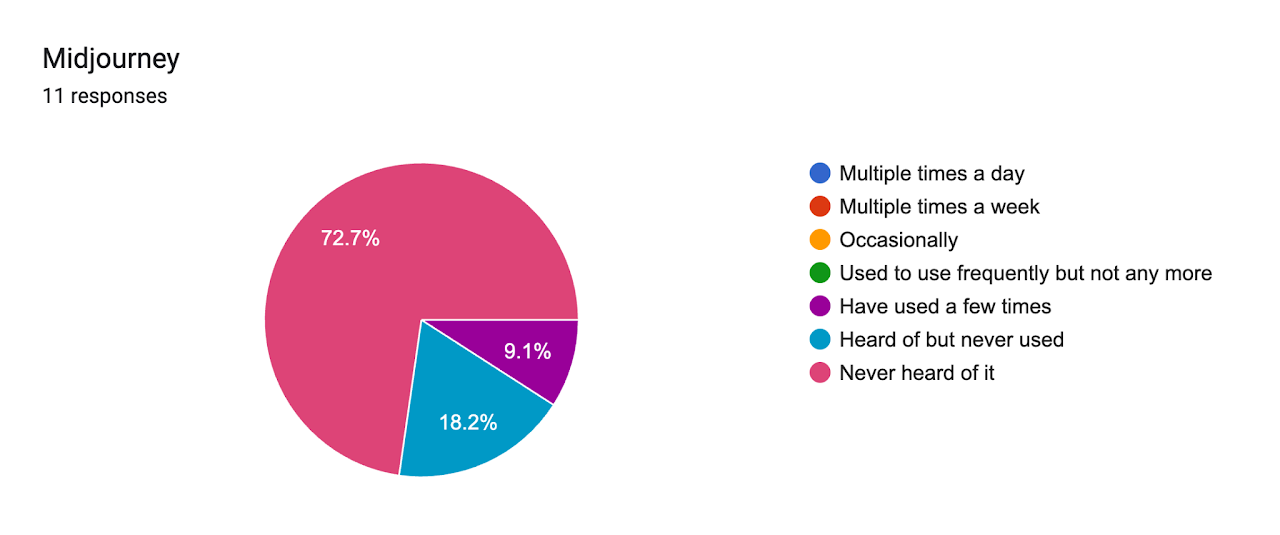
Suno music generator
Any video generating AI system
Any other non-text-based generative AI systems (Gemini summary):
- Limited Use of Other Systems: A large majority of respondents (33 out of 47) indicated they use no other generative AI systems, or responded with ‘No’, ‘None’, ‘N/A’, or similar variations.
- Specific AI Systems Mentioned: Respondents listed Sora, Veo3, Nano Banana, mureka, and Krea (replacing Midjourney) as other systems used.
- Creative/Editing Software: Some responses mentioned software with AI features, including Adobe Photoshop, the photos app for creating collages (though unsure if it counts as AI), and powtoon (if it counts).
- Novelty/Limited-Scope Apps: One respondent noted using an app that turns people into dancing elves for Christmas, while another mentioned hearing that Sora is “bad.”