Meeting 4
Meeting 4
Get a virtual background.
Do the activities in groups of 3-5.
Virtual Background
These images each represent one aspect of AI classification or recommendation systems
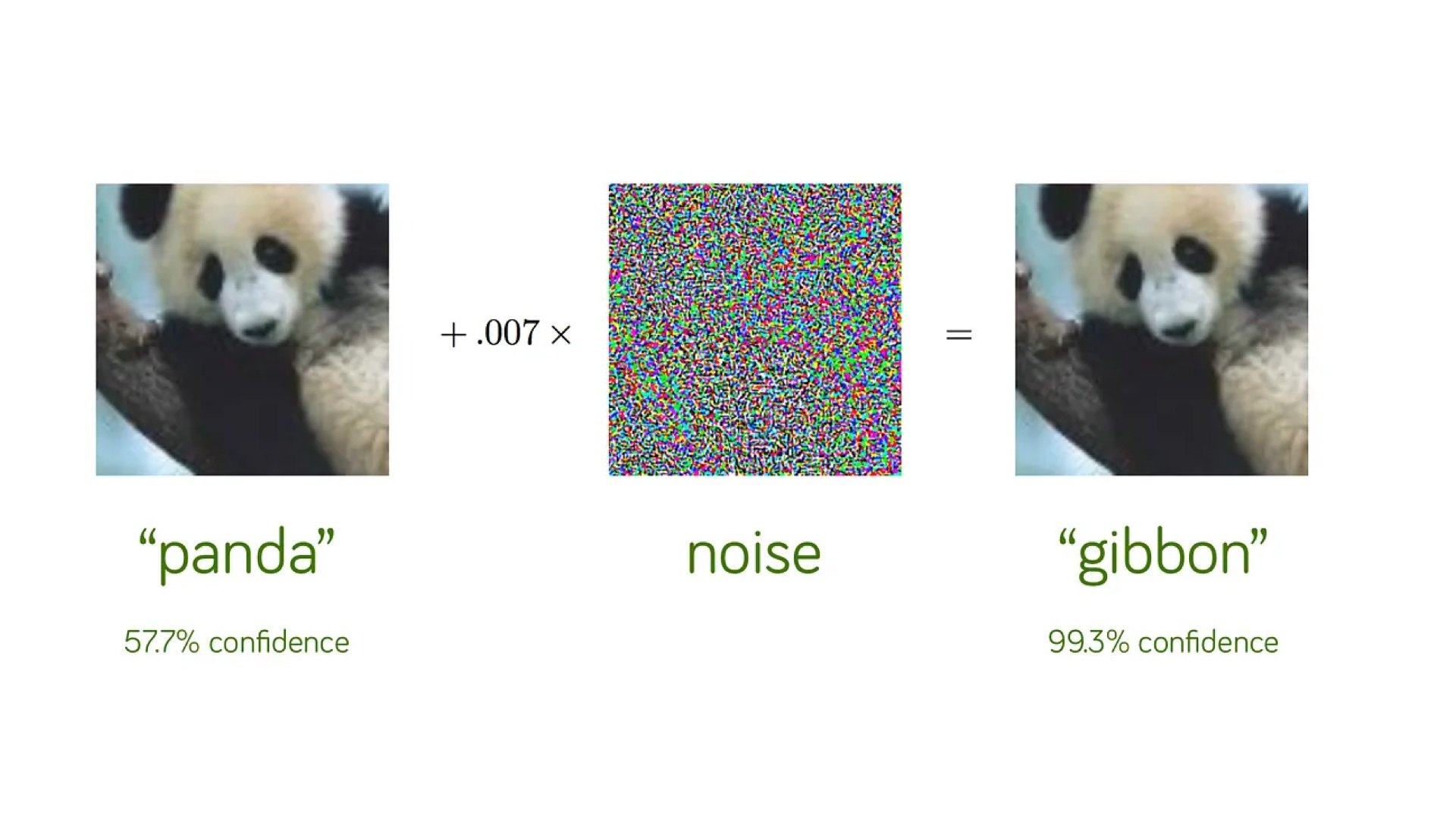
“Adversarial images” that fool AI but are unnoticeable to humans
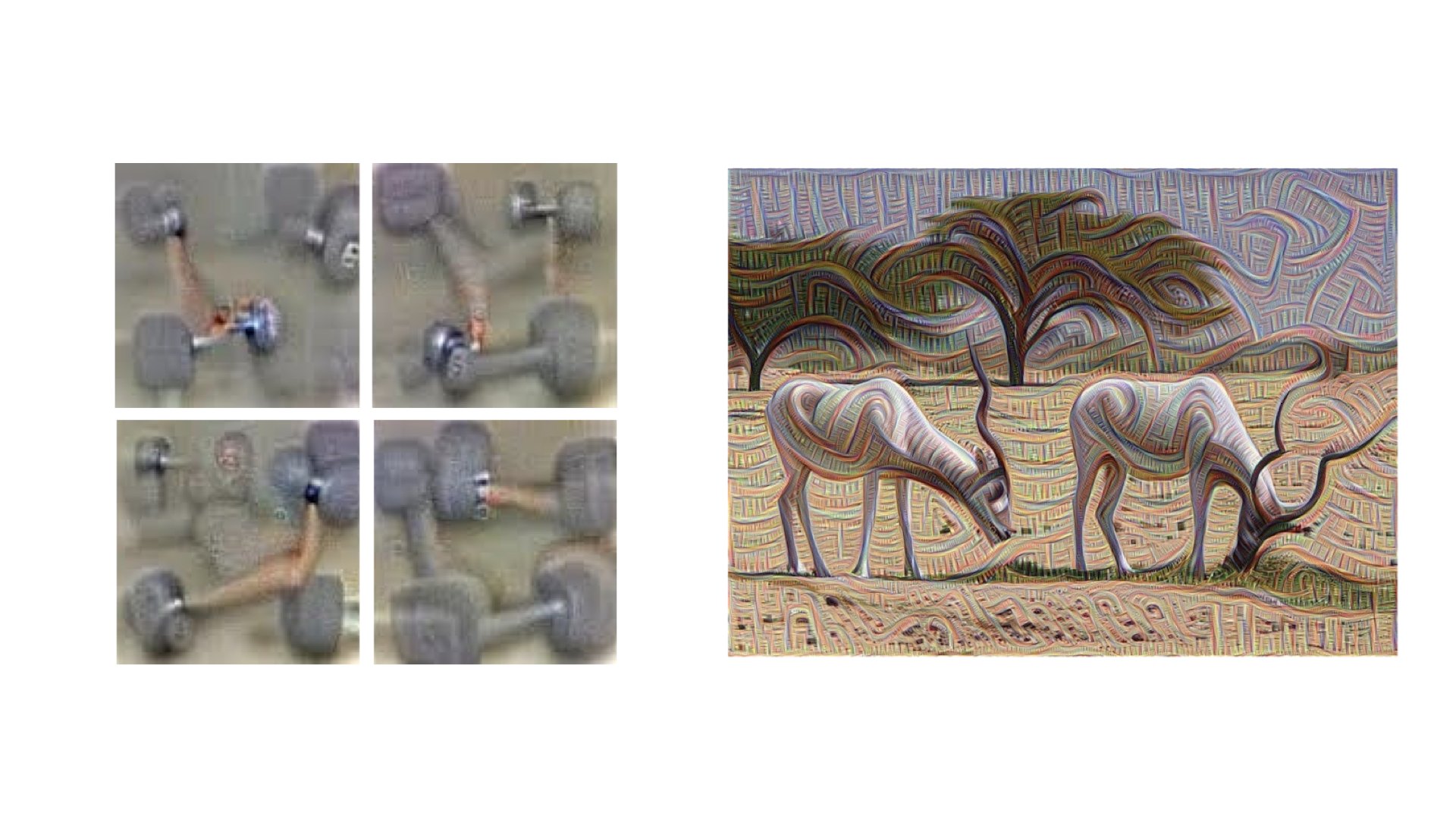
“Deep Dream“‘s interpretation of how neural nets process images
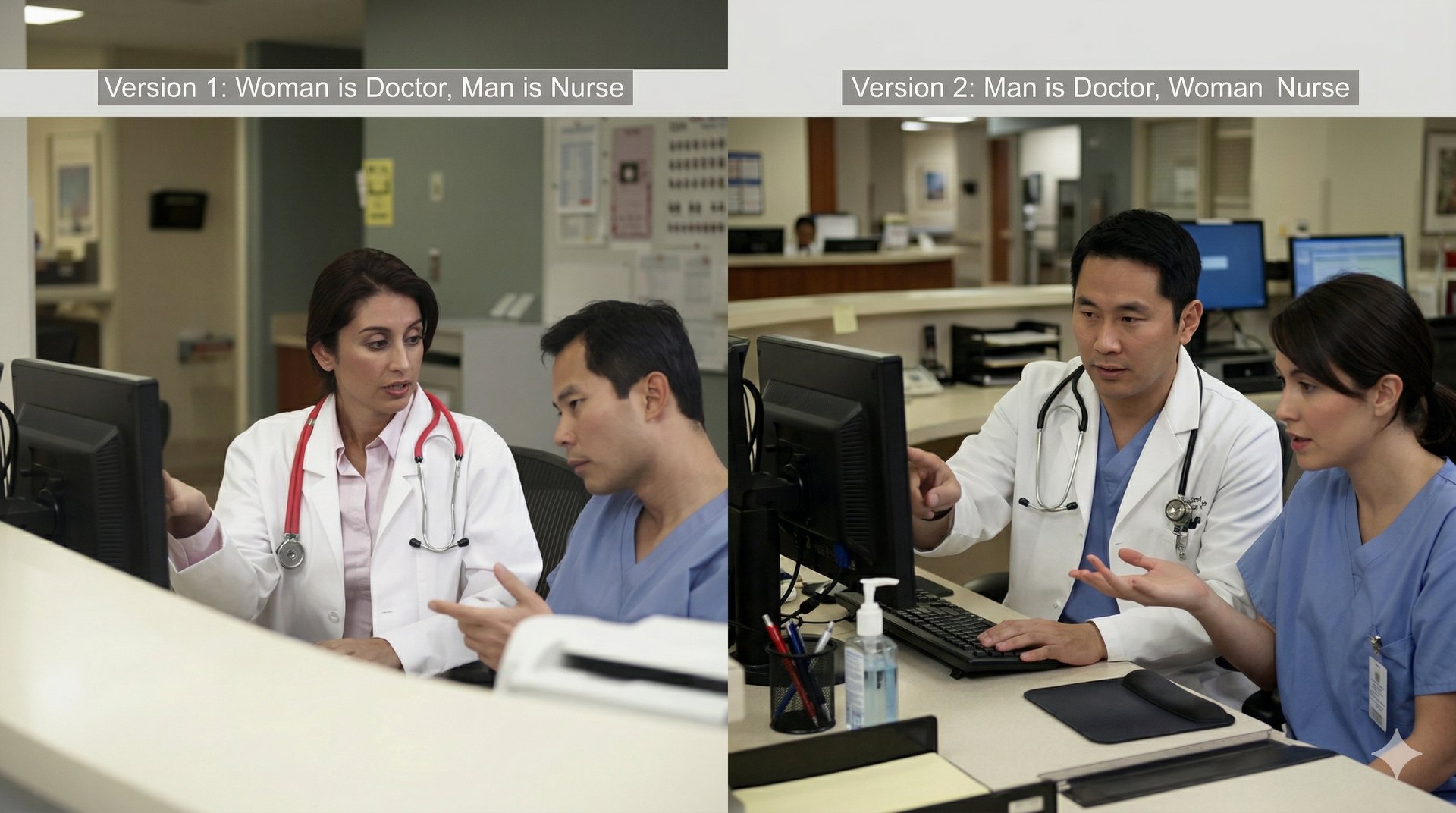
Humans and AI can both pick up the wrong cues from training data (e.g., gender rather than uniform, to distinguish nurses and doctors)
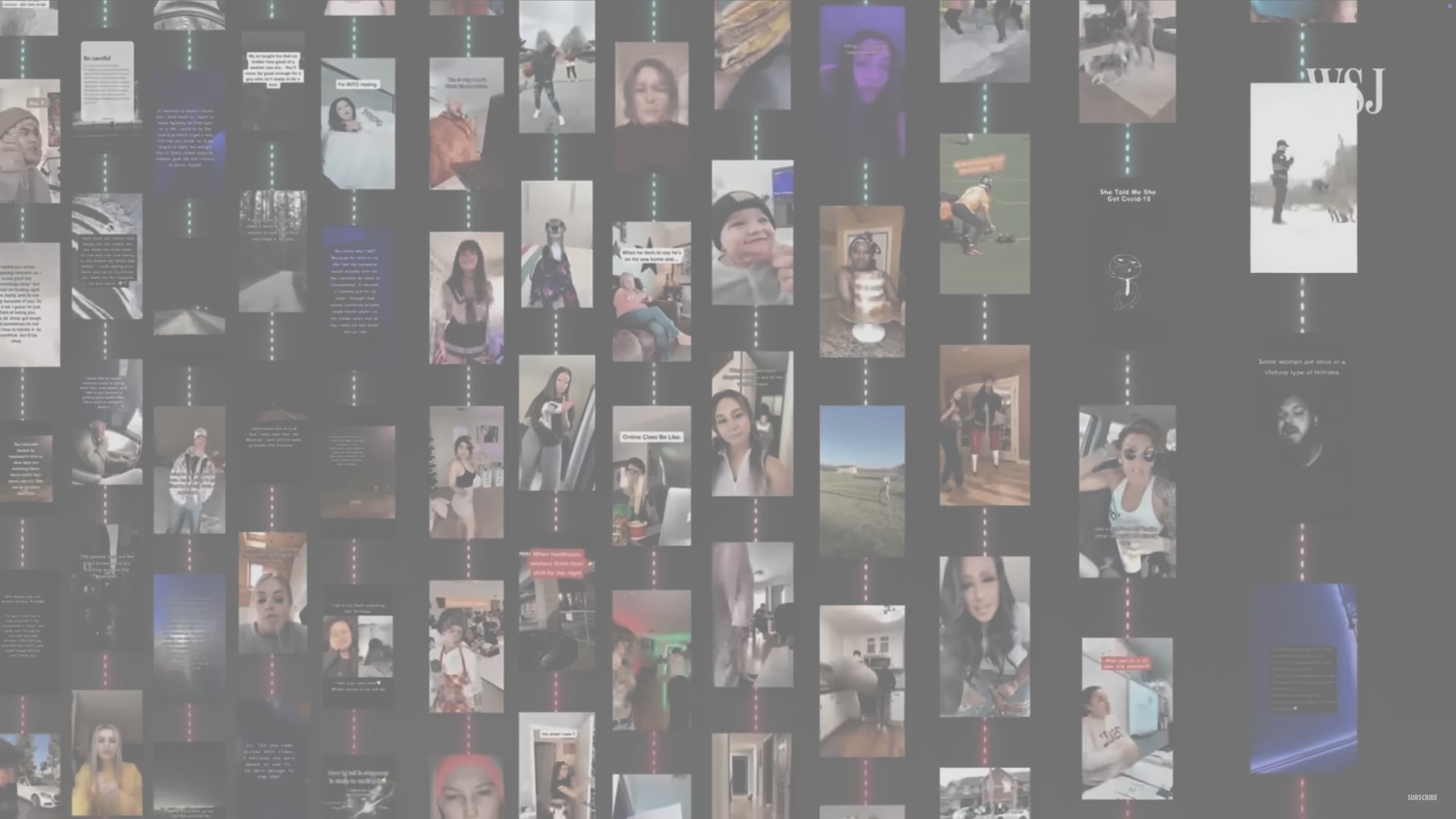
Recommendation algorithms quickly learn a human’s preferences by seeing how long they watch
First activity: AI bias
Each of you should the activity at this site: https://www.survivalofthebestfit.com/game/
After you are done, talk with your group about what happened, and how things might have gone differently
When you’re ready, move on to the second activity
Second activity: Neural net playground
Go to the neural net playground. This page shows an untrained neural net. You can see how many layers there are, and how many neurons in each layer, and what the random weights are connecting the neurons (the orange and blue lines). Hit play, and watch the weights change as the neural net learns to identify the training data (the bright colored dots in the square on the right). The background of that square identifies what the neural net “thinks” at any point in the training, and each neuron shows what it “represents”.
Try adding and subtracting neurons and layers, or switching between the four training datasets (the orange and blue bullseye, two separate circles, four squares, and spirals, on the left) and then run it again. Talk to each other about what is working and what isn’t working.
Which datasets does it learn well (get the “Training loss” down below 0.01)? Which datasets need more neurons or more layers? Are there any datasets it can learn with 0 hidden layers? Are there any datasets that do better with fewer layers than with more layers? What happens when you replace the Sigmoid activation with ReLU?
Third activity: Discuss this module’s ideas
Open up the Canvas page for module 4 (link removed) to remind yourselves of the videos for this module. Discuss these videos with each other.
Were there any ideas from any of them that you found particularly surprising, or interesting? Were there things you didn’t understand?
Look at the list of “Further watching/reading” links below the actual assignments. Are there some that look interesting to dig into further? Are there any you already looked at that some of the other people in your group might want to check out?